A student’s eyes pop as they have an “ah-ha” moment, or they smile big when accomplishing something they’ve struggled with or when they notice their own overall progress: these are quite special moments. Yet, they don’t just happen, and skilled dance pedagogy is an essential ingredient in making them.
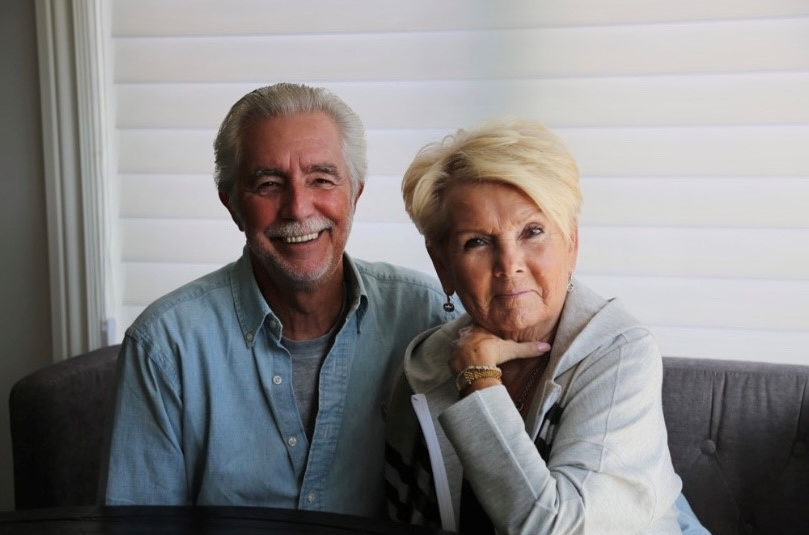
Accomplished dance pedagogy also doesn’t just happen; it takes thoughtful syllabi, as well teaching artists engaging in structured professional development, community, and accountability. That’s what Brian and Faye Foley, leaders in the Canadian dance sector affectionately known as “Mr. and Mrs. Foley,” offer through their ADAPT syllabus and related initiatives (such as Teachers’ Training School).
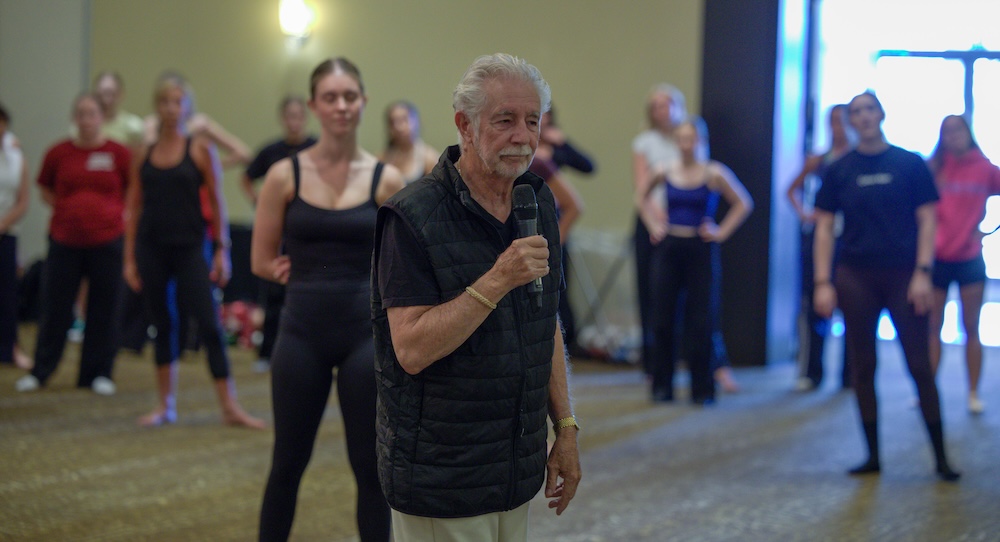
Dance Informa speaks with the affable, thoughtful Mr. Foley to learn more about ADAPT (Associated Dance Arts for Professional Teachers) and beyond. Mr. Foley is sure to emphasize his wife’s essential part in everything they’ve built together over the years. “It wouldn’t be what it is without her,” he affirms.
How it started: Mr. and Mrs. Foley, leaders in Canadian dance
As young artists, the Foleys steadily gained experience and acclaim in the Canadian dance community: in choreography for television and stage, directing Broadway tours, and varied teaching engagements. That built the knowledge, perspectives, and values that would eventually shape the ADAPT syllabus.
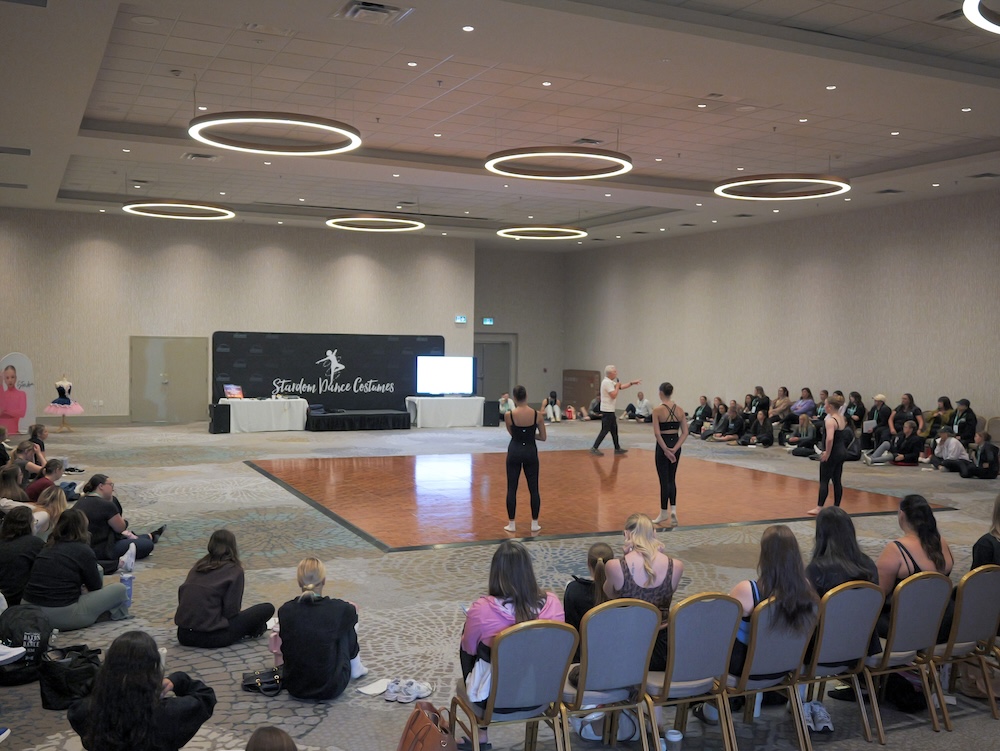
The couple led workshops across Western Canada. At one of those workshops, up in the mountains, Mr. Foley had an idea for a teachers’ summer course. He and his wife realized that vision, drawing a large group of teachers. Next was a guideline detailing their pedagogical strategy: offered in Junior, Intermediate and Senior levels.
This was the “bare bones” of what would become ADAPT, Mr. Foley explains. It was at first called the Brian Foley Syllabus, but he was never fully comfortable with that, he explains – because it was never about him, and he hoped it would grow far beyond and past him.
Then teachers were asking the Foleys to come into their studios to hold workshops, with teaching shaped by their approach. “It grew so quickly because teachers were very hungry to bring better technique into their studios,” Mr. Foley recounts.
How it’s going: ADAPT and evaluations
Asked what sets ADAPT apart, Mr. Foley names two things in particular. For one, the syllabus is designed to provide as much growth and learning to the once-or-twice-a-week recreational dancer as it does to the “elite” competitive dancer. Two, it crystallizes the teaching of technique down to the science of it.
Like other syllabi, it offers a framework and allows teachers to fill in the rest – so that they can follow their teaching judgement and serve the students in front of them. That framework is based on the Foleys’ understanding of the “average” dancer’s capabilities at different age levels, that which they’ve built from years of teaching around the world.
Mr. Foley also describes a number of key values that guide ADAPT. “Quality technique for quality investment,” he quips. Parents invest a good deal into dance education (money, time, energy, et cetera), so studios have an obligation to deliver top-notch teaching in return. That’s for recreational and competitive dance families alike.
“Good technique is also tied with safe dance practice,” he adds; it’s a matter of injury prevention and healthy development, as well. Age-appropriateness of teaching is also a health and safety matter as well, he notes. With its nine levels, in current form, that’s built into ADAPT. Those levels are tailored for ages six years old to pre-professional.
Next on the list of guiding values: “every child should be encouraged to achieve their own personal potential, to be the best they can be,” Mr. Foley claims. ADAPT encourages the motivation students need to work toward whatever that might be, and helps them recognize what achieving that goal will take. It reinforces the understanding that it’s an honor to get feedback. Mr. Foley has found that when that truth clicks for students, they want more of it.
Lastly, dance lessons are life lessons. “What is the value of dance classes for an ordinary kid?” he asks. It’s the ability to listen to, and then apply feedback, as well as to be a helpful team player. A community-minded approach supports such learning of life lessons; wherever students will go, whatever they do in life, they’ll have to apply feedback and work well in communities. Mr. Foley also names personal expression and community as key benefits of dance education for any student, whether they ever dance professionally or not.
These values also show up in ADAPT evaluations – which are opportunities for students and parents to have concrete evidence of their progress. “With our evaluations, students are only competing against themselves,” Mr. Foley affirms. “It’s also a safe opportunity to practice managing performance anxiety.”
These evaluations are held in a classroom context, at students’ home studios, with the peers they know. This approach creates a more familiar, less anxiety-inducing experience for examinees, Mr. Foley explains. Two examiners proctor each, which provides two different perspectives.
Teachers’ Training School: community, accountability and beyond
Mr. Foley has also coached world-class competitor figure skaters, and that experience helped him more fully appreciate the importance of good coaching. Mrs. Foley (known as “the dance teachers’ teacher,” Mr. Foley notes) also saw studio/competition dance becoming more and more technically demanding, and believed that teachers need the support and continued professional development to support students through that trend.
The Foleys also see an accountability effect of teachers in community, wherein a rising tide lifts all boats, as the saying goes; a high teaching standard will motivate all teachers to meet it, and thus, on a wider level, the quality of pedagogy elevates, Mr. Foley explains. “No one teacher can uphold a higher standard for dance education, but many teachers can.”
The first Teachers’ Training School ran in Moose Jaw, Saskatchewan, in 2002. In 2026, some 1,200 teachers have come through it – creating a community of teachers who have committed themselves to excellence in dance teaching artistry. In a ripple effect, those teachers have taught and touched the lives of tens of thousands of students.
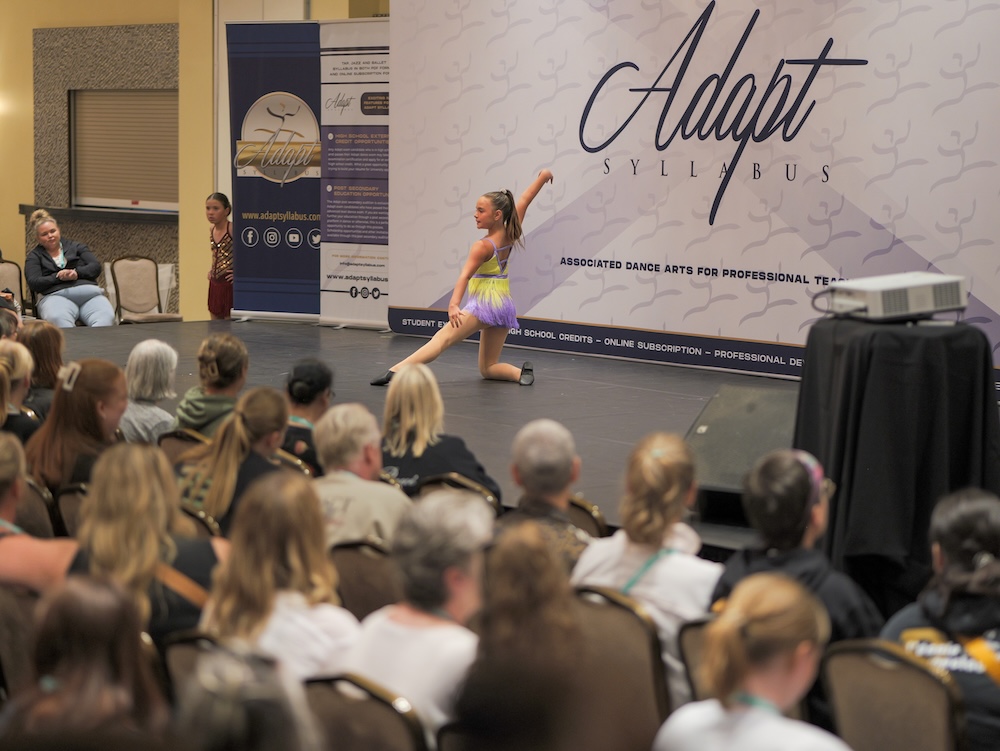
This community works under ADAPT’s value of equal opportunity for every student, whether recreational or competitive, Mr. Foley underscores. “The true skill of the dance teacher is not in elevating the truly gifted student, but the one who may struggle more – that’s a ‘good’ teacher,” Mr. Foley believes.
Where to from here: Visions and growth
That community of teachers is also committed to continued learning and professional development – for which Mr. Foley expresses gratitude. That future-forward perspective seems to be a value of everything the Foleys offer. “We don’t teach for today, but for tomorrow,” Mr. Foley underscores. “What we offer has to grow for our teachers and for the art form’s future.”
The next step on that path is a new platform for Teachers’ Training School, offering worldwide access and asynchronous learning. It will include additional professional development resources, classes, podcasts and more. “It’ll be an accessible and cost-efficient all-in-one hub,” Mr. Foley explains.
Such continuous development is evident in the Foleys’ own family; their studio is now a third-generation business, under ownership of their grandchildren. “The whole family is in dance,” Mr. Foley shares: a small community of its own committed to excellence in dance artistry and education, and an inspiration for all who work with and learn from them. Growth never needs to stop, not if we work together to keep it moving forward.
For more information, visit adaptsyllabus.training.
By Kathryn Boland of Dance Informa.
Share this: