It might be a safe assumption that while working hard in class or rehearsal, 99 out of 100 dancers aren’t thinking about the thickness of the floor they’re dancing on (corrections, musicality, choreography retention…there’s a whole lot else going on!). Studio owners and teachers, for their part, also have many other things on their minds – from curriculum to music to scheduling. Yet, floor thickness may matter more than both groups realize!
Floor thickness impacts dancer safety, because it contributes to the shock absorption that proper dance flooring offers – that which supports dancers’ joints, muscles and other contributing anatomical structures. The ideal flooring thickness also varies depending on dance style. For example, a thinner floor is best for tap dancers and flooring that’s a bit thicker is most supportive for ballet dancers.
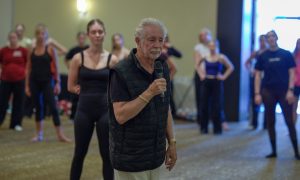
To learn more about all of these nuances, as well as much about how Stagestep works with studios to find the best flooring for them, we spoke with Stagestep Technical Manager Stan Chorzelewski. Read on to hear what he has to say!
What difference does floor thickness make from a mechanical point of view?
“Stagestep product ranges from 1.5 millimeters to 8.5 millimeters of thickness, with a foam backer. The 6 and 8.5 mm products are multi-layer floors that we call heterogenous vinyls. These vinyls gain most of their thickness from an attached foam layer-backing.
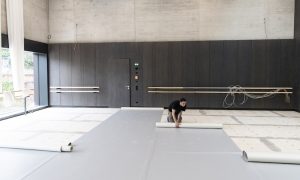
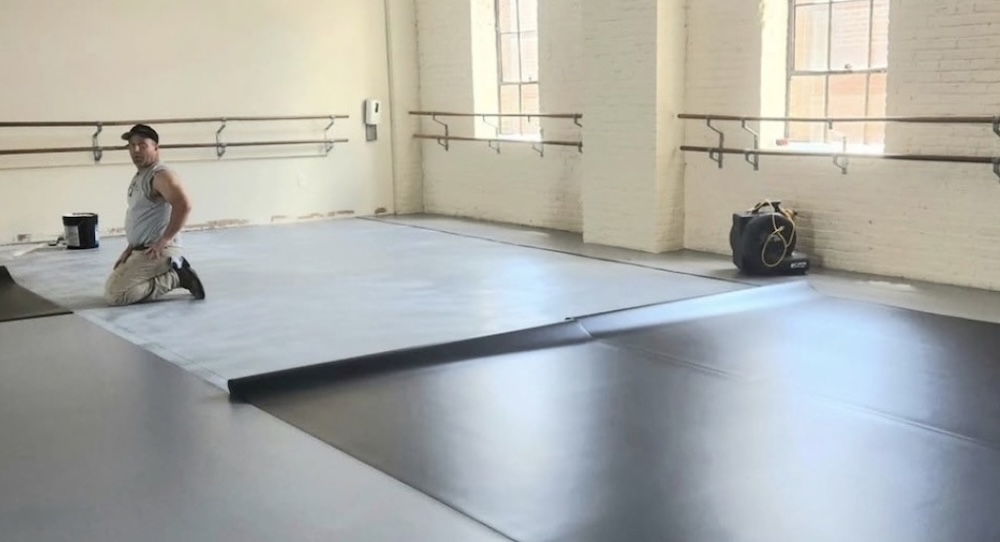
Studio owners specify their needs, and then we advise them on what installation is best. We consider things like how permanent the floor is, the styles that students will dance on it, et cetera.
With our guided ‘do it yourself’ installations, there are varying degrees of difficulty (but we’re always here to help!). We can definitely customize flooring to different studio rooms within one studio location, per what’s happening in those rooms. But we also have floors that are very versatile across styles, very multi-use!”
How does the ideal floor thickness differ for separate dance styles?
“The dance style dictates the type of flooring that is selected. Generally speaking, the thicker the floor, the slower the dancer will perform. Tap dancing usually gets fitted with our thinner vinyl floors or hardwood flooring to aid in the acoustics. While a good majority of our flooring works for ballet, our thicker options do tend to be more popular with heavy ballet and pointe work.
We have an array of cleaning and maintenance products that can aid in helping create a faster or slower, stickier floor depending on the studio’s desired performance. Stagestep representatives will give a specific schedule for that maintenance cleaning.”
What do you want dance studio owners to know about floor thickness?
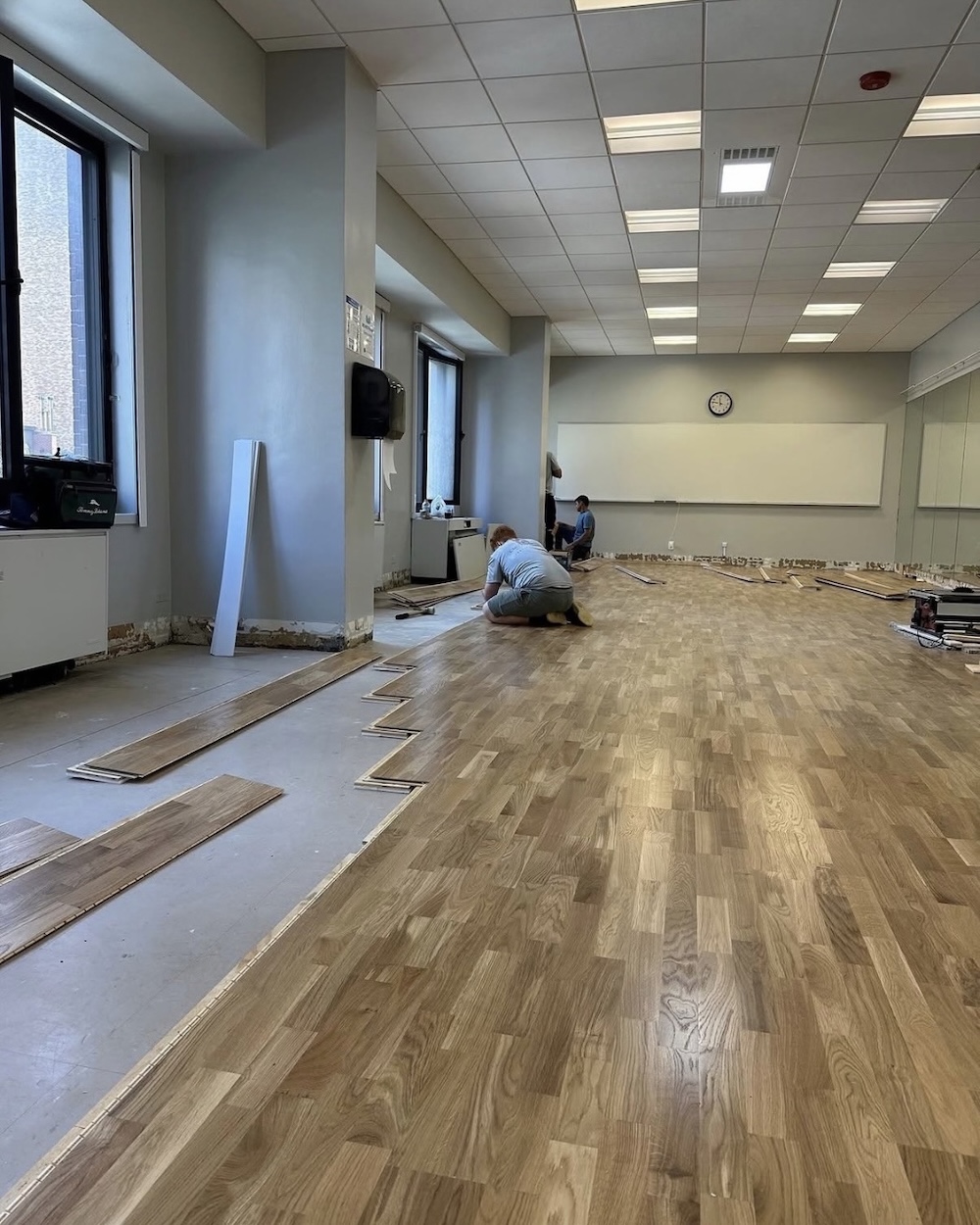
“It’s helpful to get educated on it and how it’s related to different dance styles. One thing that people will learn with that is how floor thickness doesn’t necessarily affect floor longevity. That’s more connected with floor usage and maintenance: things like cleaning, climate control and sunlight.
Even with the best maintenance, it’s hard to predict how long each floor will last; it’ll be different in each case. For that reason, I caution studio owners against thinking that another studio’s flooring will work for theirs; there are so many factors impacting what your best choice will be (environmental and more).
But getting educated can help determine what that might be – and at Stagestep, we’re always here for questions and assistance! We can provide samples, and you can create your own ‘mock-up’ floors, which your students can test out (a process we recommend!). At Stagestep, we know that flooring is a big investment. We want studio owners to be confident that they’re choosing the right option for their studio.”
By Kathryn Boland of Dance Informa.
Sponsored content.
Share this: