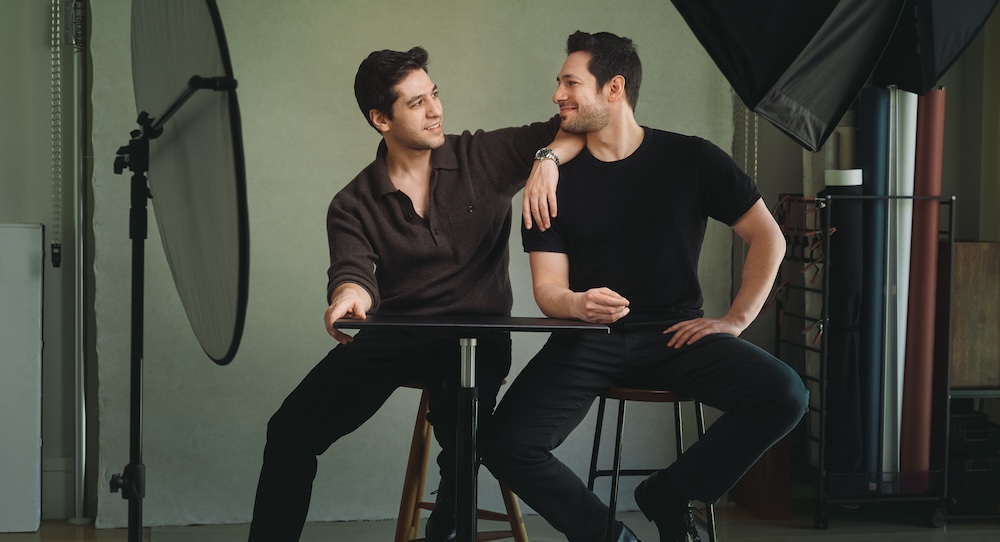
Brothers Rick and Jeff Kuperman have choreographed and directed movement for all kinds of stage and screen, from site-specific immersive works, to stadium shows, Broadway, feature films and music videos. Dance Informa sat down with both brothers to talk about their backgrounds, their bond as family who works together, and how it feels to see hard work come to fruition.
Both of you have a background in martial arts, as well as competition dance. How do the various aspects of both paths influence and support the work you do now as choreographers for such wide-reaching projects, and specifically The Outsiders on Broadway?
Jeff Kuperman
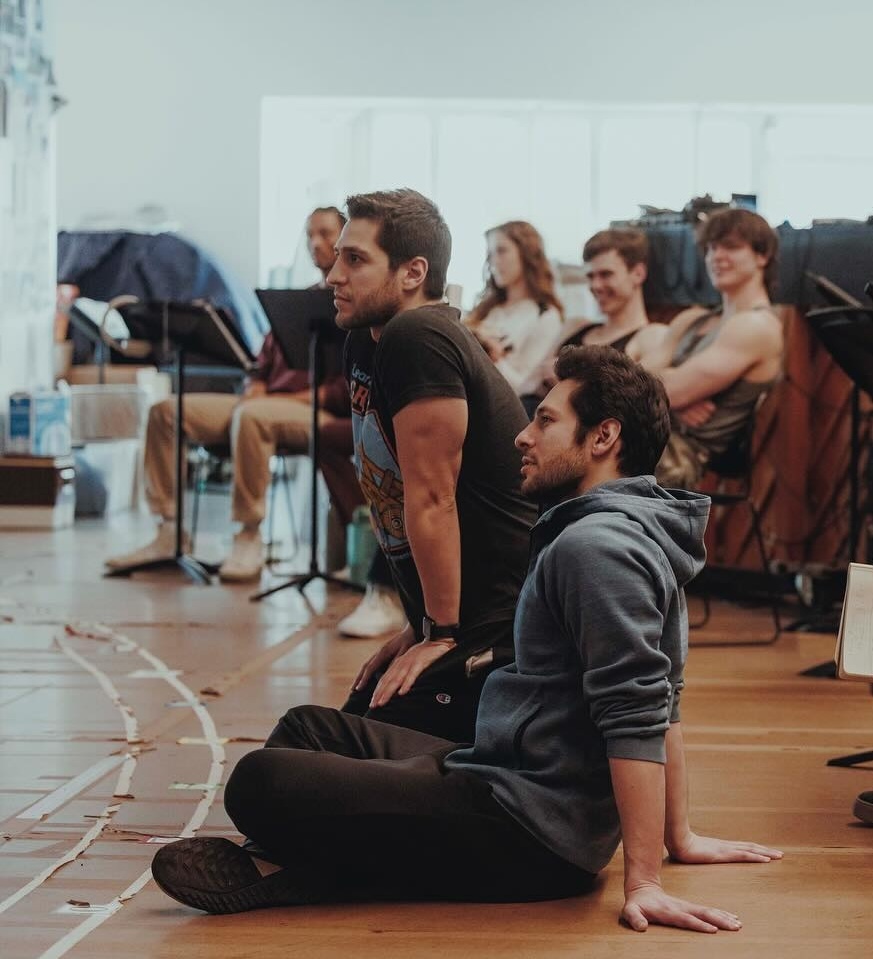
“Our martial arts background gave us a good understanding of combat, right? Some of the movement mechanics are useful when you’re crafting stage combat. Really, stage combat is a dance, and I think the reason people are drawn to it, and The Outsiders, is because the given circumstances are very simple. You know what these people want. They’re fighting with each other. As a choreographer, all you have to focus on is how are they going to get what they want, and the aesthetic mechanism by which you’re going to do that.”
Rick Kuperman
“You asked about our background. We trained at a studio just outside of Toronto, and it was a competitive dance studio. What that meant for us was a broad training. It’s such a helpful training because you are taught to adapt to different genres quickly. You pick up choreography quickly, and you get exposed to so many different educators coming through the studio. At the same time, we were studying martial arts. We saw some natural overlap in the sense that they’re team sports, and you’re with the ensemble. It’s all about spacing and timing, making sure you’re using your peripheral vision, and you’re connected. But there’s also a solo aspect to both disciplines, and a natural of synergy between the those trainings. Everything you do informs the other.”
Regarding The Outsiders, could you speak a bit about how you took that background and utilized the confluence of the two disciplines to create a flow between onstage combative movement and contemporary dance?
Rick
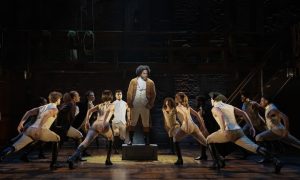
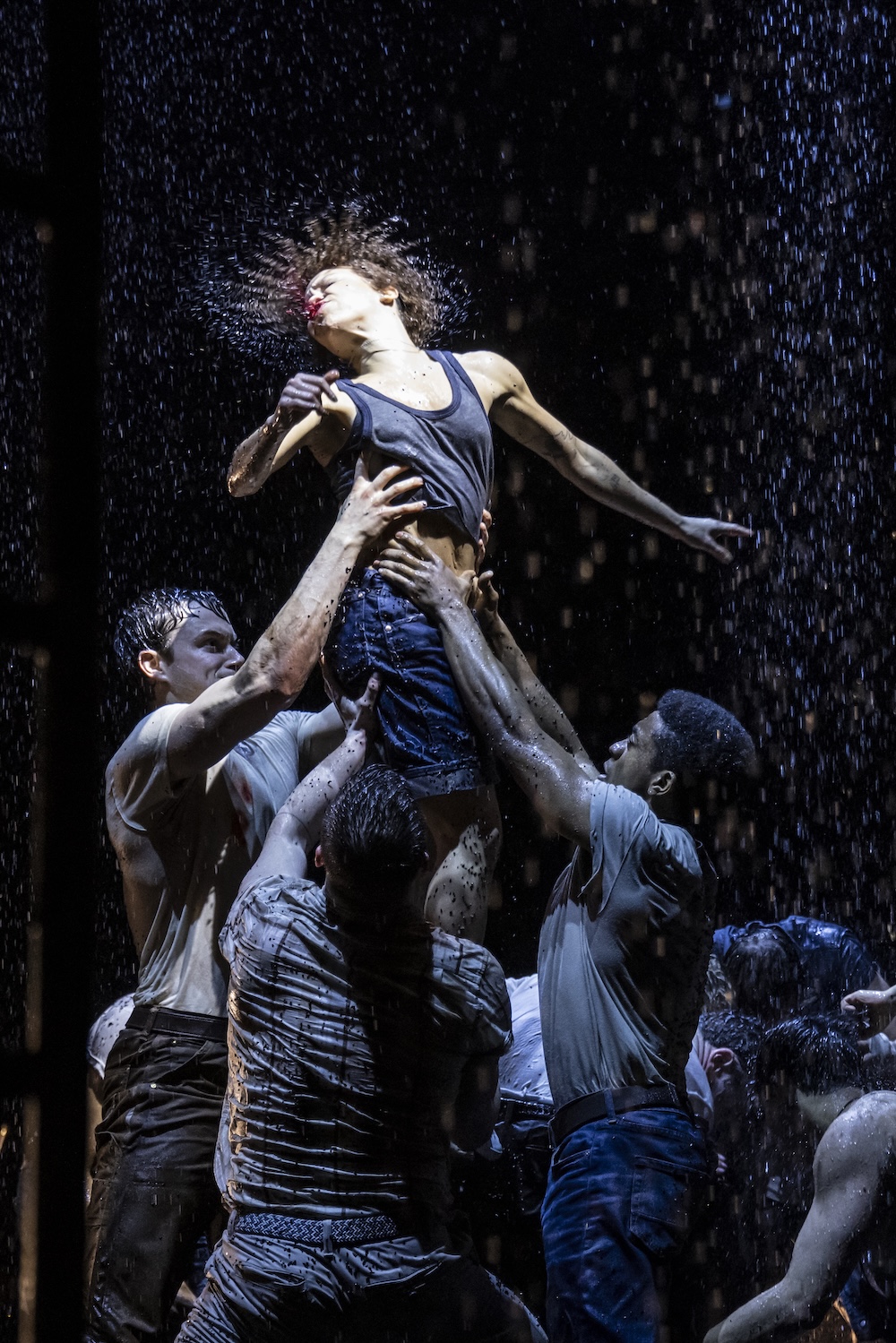
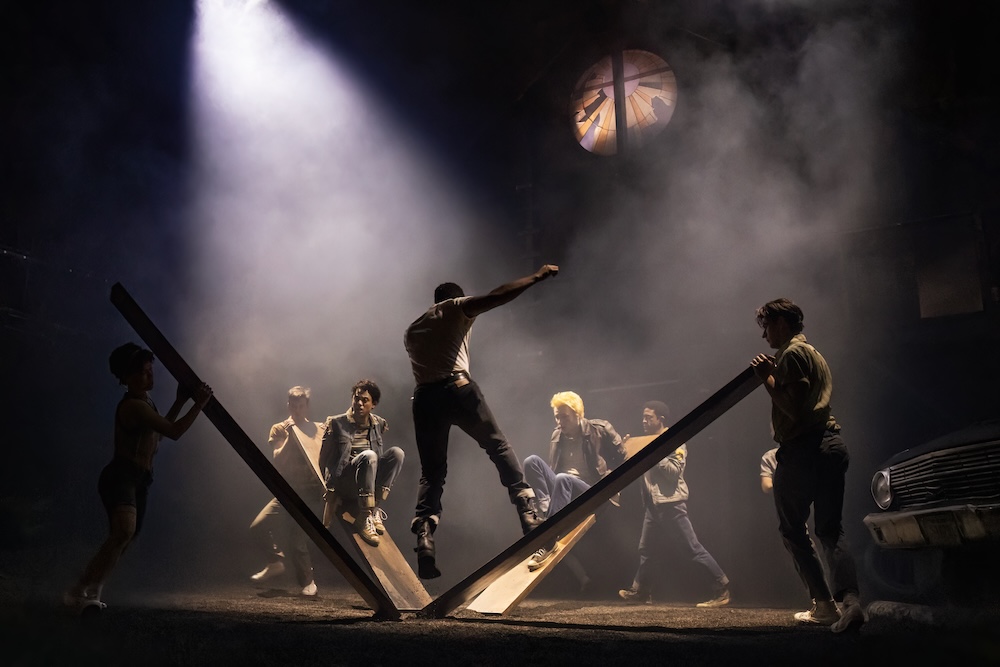
“All of the movement comes out of the the storytelling, and the objectives of the characters. One interesting thing we learned when staging the violence in the show is that oftentimes in theater, the technique is to mask the force, so you position strikes and throws in a way that the audience might not see that it’s not actually making contact. Our approach was quite different, which is to say, we don’t fake the force. Use the muscle, use the tension, but redirect it in a safe way, and recirculate it through the system. It’s much more about redirecting energy, capturing it and letting it flow. We found that some of those same techniques made their way into the other expressionistic sequences in the show, and it started to create a movement language that felt unified.”
The Outsiders centers around the lives of three orphaned brothers, trying to work together to carve out a life under challenging circumstances. As brothers yourselves, who have created a successful working relationship over the years, what is it like to be so involved with each other on a professional level, as well as a personal one?
Jeff
“We know each other. We don’t have to tiptoe around, and we trust each other. One of the gifts of being brothers is we got to practice collaboration with each other from an early age. When we were training together, but also when we started working professionally together, we had to work out moments of tension and disagreement in front of people. We were very bad at that when we started, and wanted to throw each other out the window while people are waiting to work. Over the course of 15-20 years, we learned how to release the ego, let the best idea win and celebrate the best idea. I’m really happy to have had that experience, of flexing and strengthening that collaboration muscle over many, many years.”
Rick
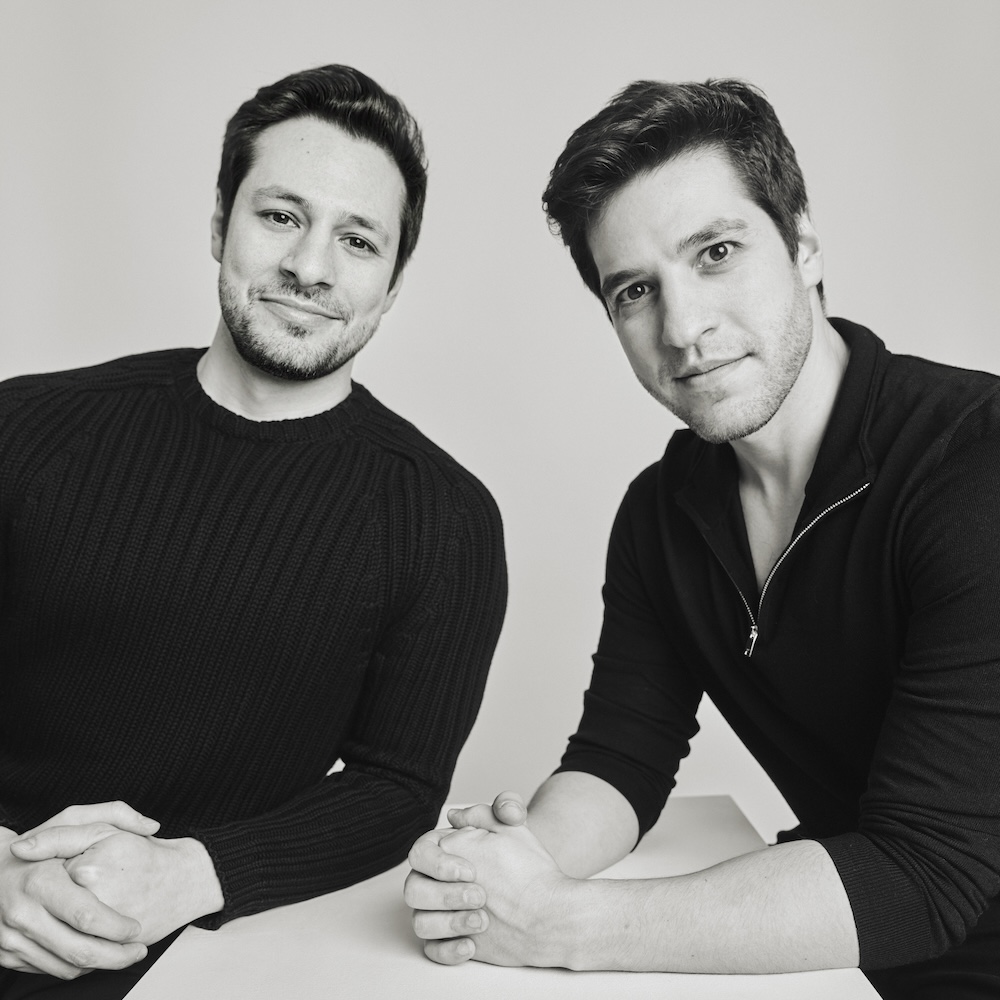
“In terms of this show in particular, making a show about brotherhood with your brother is an awesome experience. There is a trust that lives there implicitly when you’re figuring out a lift, or a weight share, and how you’re manipulating momentum. You’re not going to get it right the first time. You’re going to get it right maybe the 10th time. You’re not afraid, you’re not tiptoeing, you’re not walking on eggshells, you’re just getting the work done. It’s a lot easier with someone you have a long relationship with. Also, it helped to think back to when we were in our teens and we didn’t necessarily have the vocabulary to express ourselves either. It’s just tapping into that. There’s no shortcut for it.”
Artists make art because we’re drawn to self-expression in a particular way, but often times that pursuit doesn’t get big recognition, or grace big stages. What does it feel like to have your work presented on such a large scale?
Jeff
“One thing that’s really thrilling is seeing the different iterations the show is going through. It opened with a particular cast, and there were a lot of recasts. We’re seeing these characters inhabited by so many different types of performers, who bring so many different things to it. We were just in Seoul auditioning the Korean cast. Seeing that from a totally different perspective in a different language, and seeing the universality of what the show offers is really gratifying.”
Rick
“It’s amazing that young people are coming to the theater and they see a part of themselves on stage. That’s probably the most thrilling part for us – to see a new generation of theatergoers get lit up. It’s a huge thrill and honor to have been a part of it. It’s also exciting to see the kinds of doors it’s opened for the next stage in our creative work, and that’s thrilling as well.”
To learn more about the Kuperman Brothers, head to kupermanbrothers.com.
By Emily Sarkissian of Dance Informa.
Share this: