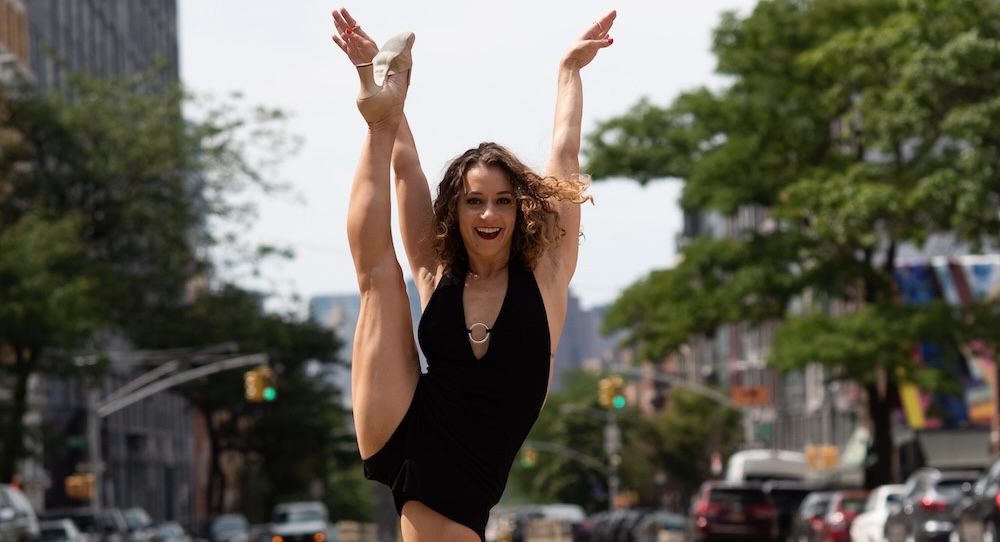
Who hasn’t slipped on a pair of grown-up heels when they were a kid and whipped out a few spins in the mirror? There is an allure to how a pair of heels makes you feel, and changes how you move. In dance, Broadway jazz classes often utilize heels, as does the commercial dance world. But dancing in heels takes technique, education and proper knowledge of the shoes.
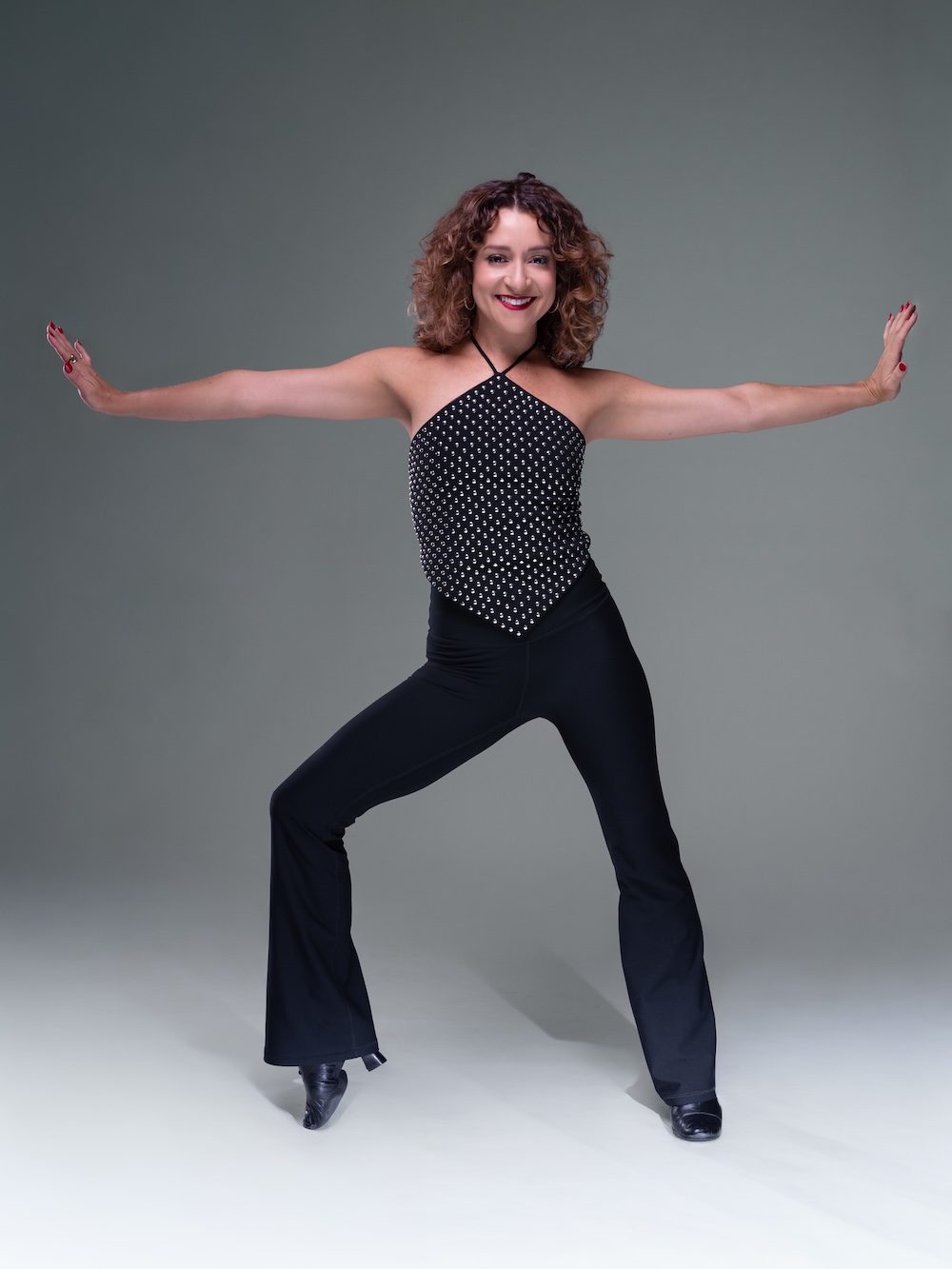
From the Broadway-esque side of the heels universe, Dance Informa grabbed the ear of Broadway regular and international teacher Courtney Ortiz to talk about some heels basics, teaching heel technique, height recommendations and fun facts.
Let’s start at the beginning. What are some things to consider for someone wearing heels for the first time? Is it similar to when dancers get their first pair of pointe shoes?
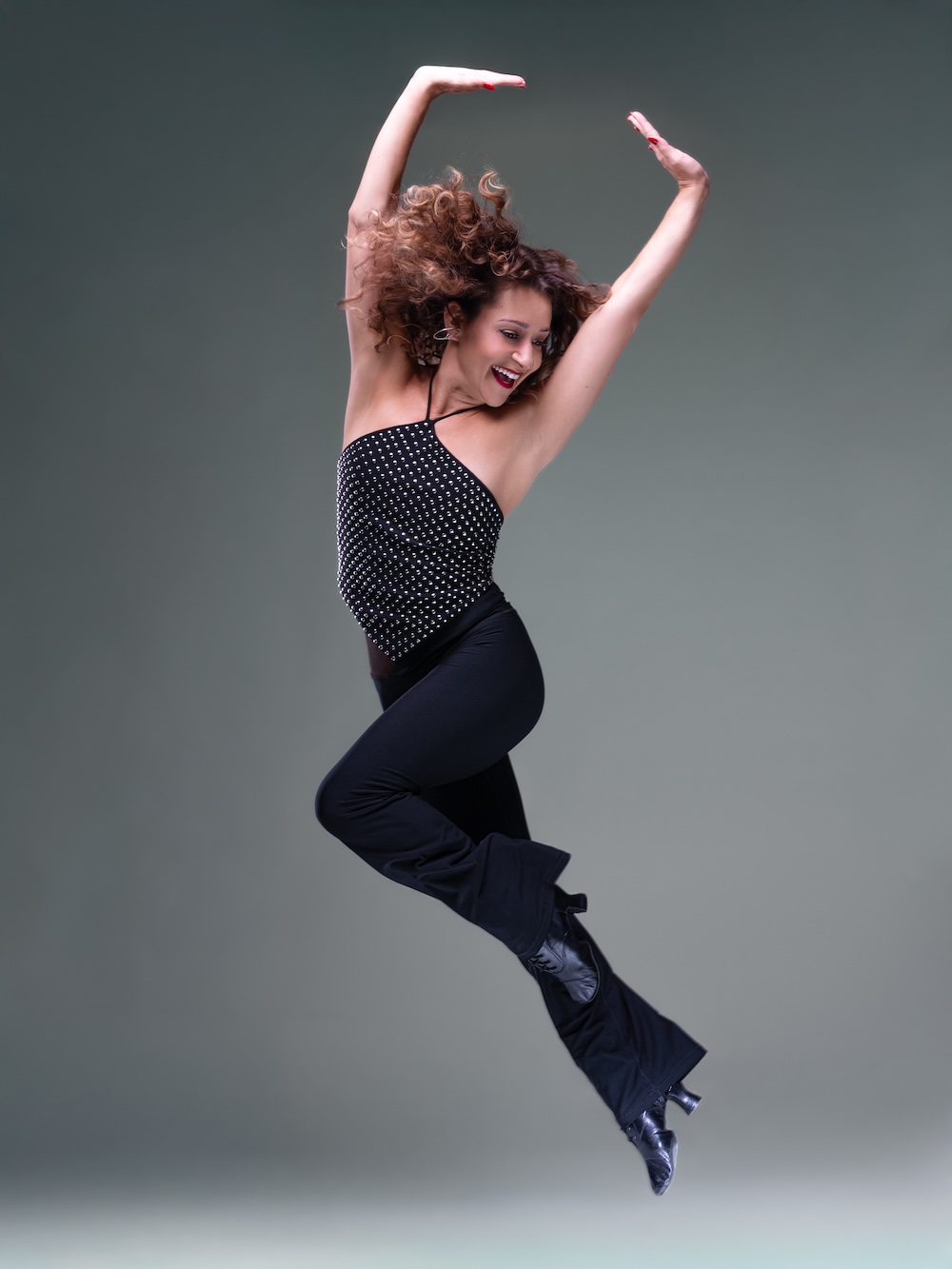
“I like the pointe shoe example. When a dancer is ready for a heel, your ankles should be strong enough to support you. It’s like the upgrade to pointe shoes in ballet. It should be the same upgrade as going into your jazz dance heels. There’s a lot of prep that does need to happen, and a dancer’s foot needs to be strong enough. They need to have good ankle and foot articulation, and have an understanding of how to fully point through their foot properly. When you get an extra 2.5 to 3 inches on the back of your heel, you’re higher up. Now that we’re elevated, the ankles are going to be less supported than when they’re on flat. It should be an easy transition if the technique and foundation of dance is there to support. Understanding where the weight distribution needs to be in the foot, keeping the weight more in the balls of the feet, and not falling back or relaxing into the heel are key.”
Since we’re talking dance education right now, is there an appropriate age for dancers to get their first pair of heels? I imagine there could be issues with bone density and growth patterns.
“There’s a craze and popularity of LaDuca heels right now, and I see a lot of dancers who are way too young getting into them, and investing in them. They are a huge expense. They are meant for professional dancers. There are amateur, pre-professional, and barely professional nine- to 10-year-olds, whose foot hasn’t even finished growing investing in a $300 shoe that they don’t have the strength for, and they’re not ready for. They’re just not ready. There’s a maturity that comes with it, just like pointe. I think 13+ is a heel situation. I don’t think dancers who are nine and 10 should be in a character heel.”
When dancers do get their heels, are there certain exercises you offer in class to build a good foundation in the shoes that will allow for healthy execution of choreography as they progress?
“Heels shouldn’t just be a little bonus every now and then. It should be the emphasis and the focus. The class should be structured around training heels, just like pointe. The same thing applies with heels, but a lot of people just slap them on, and do the dance or combination and they’ve never worked through the progressions or the building blocks to get there. The heels should be a part of training, and as the teacher, I’m going to create a progression that is heel-appropriate (even if there are dancers in flats), working on how we walk, our jazz walks, our weight distribution, or maybe ball-change sequences so they can feel how to shift their weight quicker. We’ll also try pirouettes, because that prep feels different. We work on the things we always work on, but adding that heel to the mix feels different for those dancers.”
Lastly, and speaking of how things feel, could you share a bit about the different heights of heels?
“As a professional, the majority of my heels on jobs were always 2.5 inches. As someone who’s 5′ 1″, I’d always done 3-inch heels because I wanted my legs to look longer for auditions. It wasn’t until I actually did a job that gave me 2.5-inch heels that I realized I can get through the show easier. I feel stronger. My legs aren’t as fatigued. My calves aren’t as fatigued. My weight distribution is different. At that point, I transitioned into more 2.5-inch heels. At a point, if you decide to move to New York and be a Broadway dancer, auditioning dancer or a theater dancer, you should have a collection of all of them in your bag – and you swap them out based on the day, based on the floor, based on everything.”
You can follow Courtney Ortiz on Instagram: @courtney.ortiz.
By Emily Sarkissian of Dance Informa.
Share this: