Every dancer has had a session with a physical therapist at some point. The best PTs for dancers are the ones who have lived a dancing life themselves. For any dancer looking to transition to a second career, PT can be rewarding. For those interested in healthcare and movement, there is growing demand for PTs – and best of all, it offers job stability.
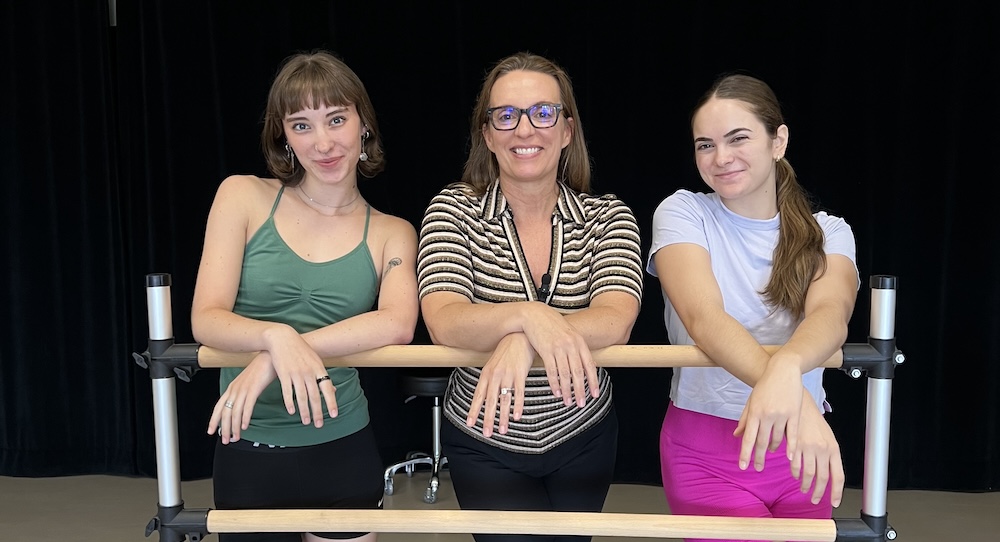
Kurt Gorrell, Chun Wang and Andrea Zujko are all former dancers who studied at prestigious schools like Joffrey Ballet School and The Ailey School. They all went on to perform professionally and eventually found their way into meaningful careers in physical therapy. Their experiences are different, but their career paths all ended up in this exciting field.
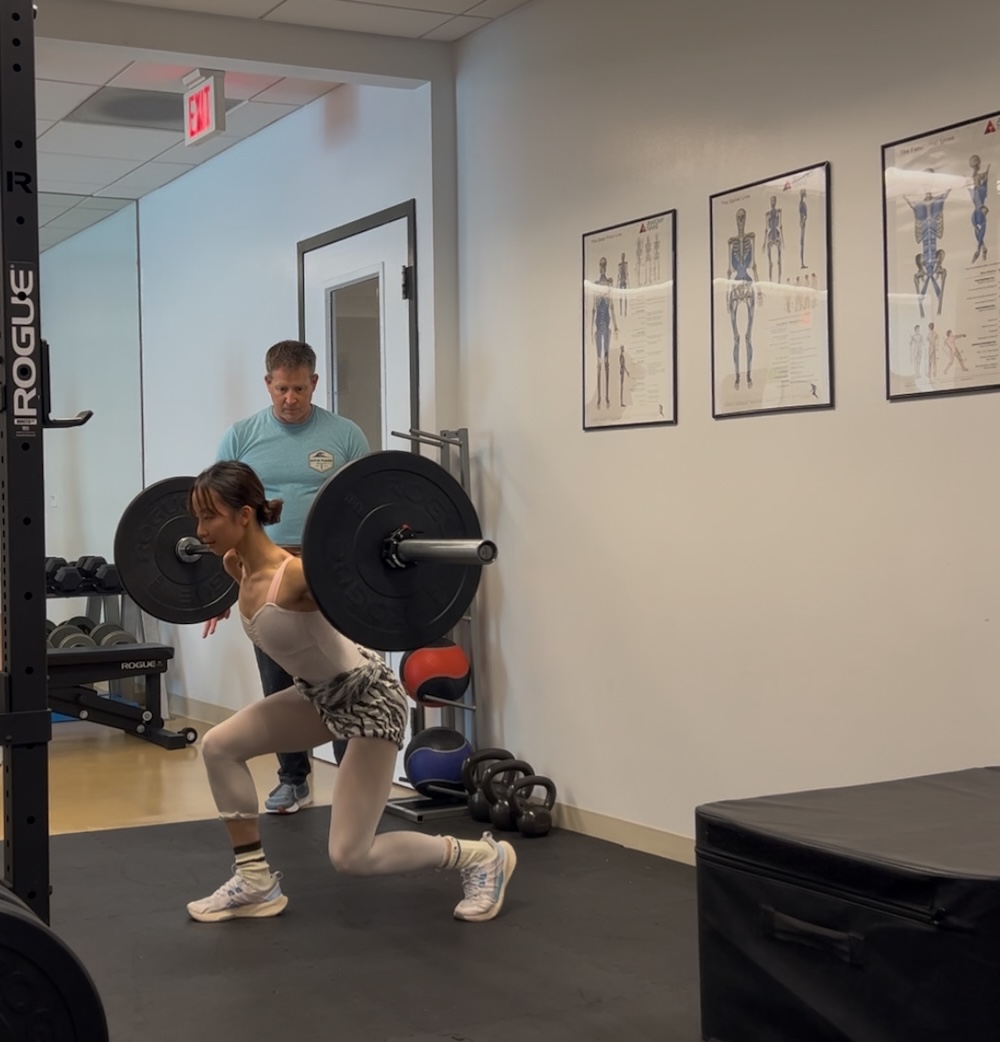
For Gorrell, he got his personal training and Pilates certification as a way to supplement his dance income. “While I was dancing, it felt like I was always injured. I started incorporating a lot of my rehab from my own PT experiences into my personal training and Pilates,” he explains. He goes on to say that he always enjoyed learning about the body and continuing education, but the clientele he was serving began to feel increasingly complex and challenging to train. He started thinking about becoming a PT when he retired.
Wang was aware that ballet dancers have short careers. He states, “I knew very early on that I did not have an ideal body or talent to achieve the level of ballet path that would make a prominent career in dance.” He started to get smaller injuries in his hips, knees and neck, which drove him to further prepare himself for life after dance.
Zujko had a stubborn foot injury and lacked access to good medical care. She had to step away from what she thought would be a professional career. She reveals, “I didn’t know exactly what I wanted to do next. But I did know this: a college education was a valuable investment, and it would give me the space and exposure to explore new possibilities.”
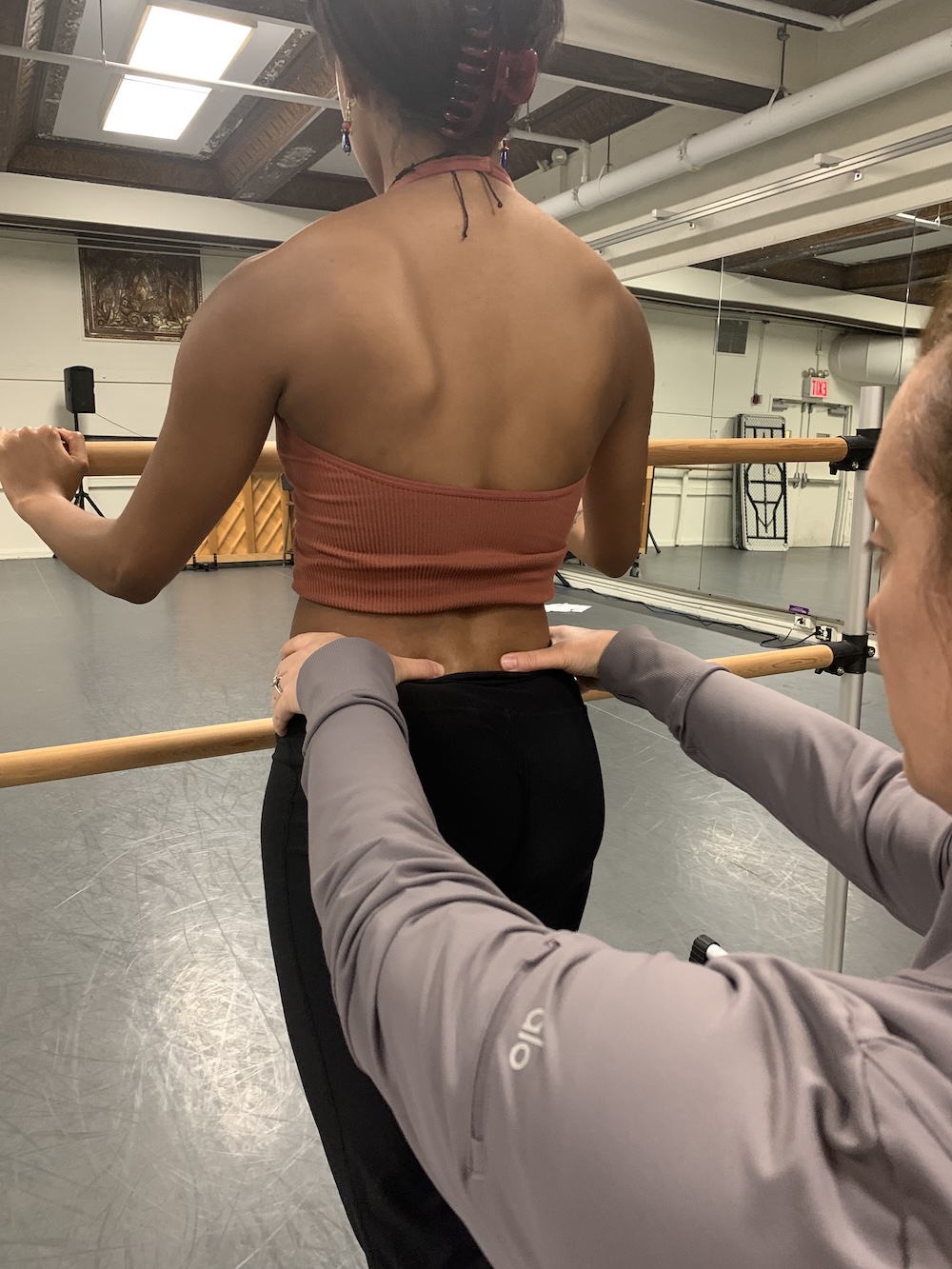
Personal experiences with injuries can lead to a desire to learn more about the body. For Gorrell, his injuries ran the gamut from a torn ACL to ankle sprains to a broken fifth metatarsal head. The PT he experienced after his second knee surgery was eye-opening for him. The now-defunct Physio Arts in NYC was his first experience treating his whole body, rather than just his knee. He says, “It was that style of PT that I wanted to learn, and I feel really fortunate to say that’s what I do now.”
For Wang, loose kneecaps led to labral tears. He sustained injuries in his cervical spine from partnering and had a lack of strength due to his slim build. “I was sent to weight lift at a local gym. Learning about strengthening exercises outside of traditional ballet classes opened my eyes,” he remarks. He got stronger through methods outside of ballet class, and all of a sudden, he improved his turns and jumps. He got excited about mastering turns, and the cross-training made him want to learn more about the body and biomechanics.
For Zujko, a stubborn back issue lingered longer than she expected. The doctor recommended she try Pilates to strengthen her core and support her lower back. She was introduced to Pilates and studied with Phoebe Higgins and Stephen Williams. “It was an unexpected gift: I had found a community of movers, many no longer performing, who were still deeply engaged in their craft. Movement, I realized, didn’t have to end with performance,” she asserts.
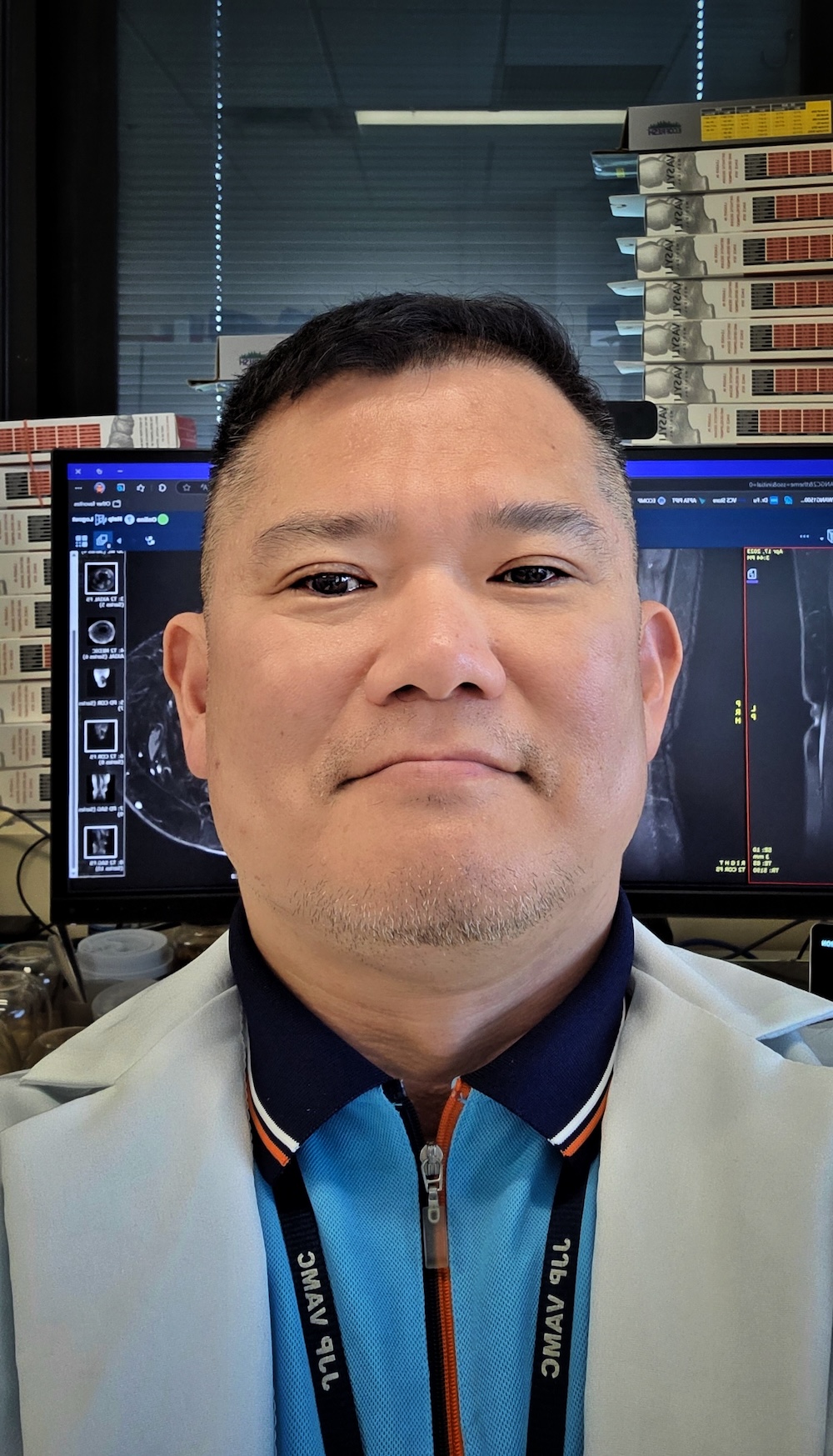
PT has wide appeal as a career choice. For Gorrell, he was always interested in learning how the body works and seeing what it was capable of. For Wang, he was keenly interested in orthopedic physical therapy. The other specialties (such as neuro rehab, spinal cord injuries, etc) did not have as much appeal as working with muscles and bones. For Zujko, her identity as a dancer drew her to the movement-based aspects of PT. “What stood out to me most was the realization that PT isn’t just about fixing injuries,” she says. All three agree that the whole-body approach is part of the appeal of a career as a physical therapist.
Transitioning from dancer to student isn’t always easy. Gorrell confesses that he found it “really difficult going back to school when I was 20 years older than all of my classmates.” Wang felt the challenges are the same for all adult students switching to a second career. “You have to give it your best, while giving up a lot,” he says.
Can dance training offer you a “leg up” on your PT studies? Gorrell says, “I think my work in personal training and Pilates helped my PT path more so than my dance training.” Wang feels his dance training, for the most part, helped with his studies immensely. He quips, “It was a revelation and a joy to figure out, ‘Oh! That is why I could not do this properly!’” It was surprising to make discoveries about his ballet technique during his PT schooling.
Many skills from dance translate to being a PT. For Gorrell, it is being able to speak the language of dancers when working with San Francisco Ballet. For Wang, the body awareness and sharp observation skills that all dancers train for really come in handy. For Zujko, she feels many of the skills she developed through dance have directly supported her work as a PT. “Even if I didn’t fully recognize their value until I was deep into my career,” she confesses.
Gorrell works at an orthopedic clinic in downtown San Francisco. He also works as San Francisco Ballet’s strength and conditioning coach, as well as the company’s part-time PT. Wang works at the James J. Peters VA Medical Center as an orthopedic specialist PT. He is a clinical instructor and OSHA-certified ergonomic evaluator at the VA. He notes that because he works at the VA, he was fortunate to have had an exorbitant amount of additional training beyond the regular profession of physical therapy.
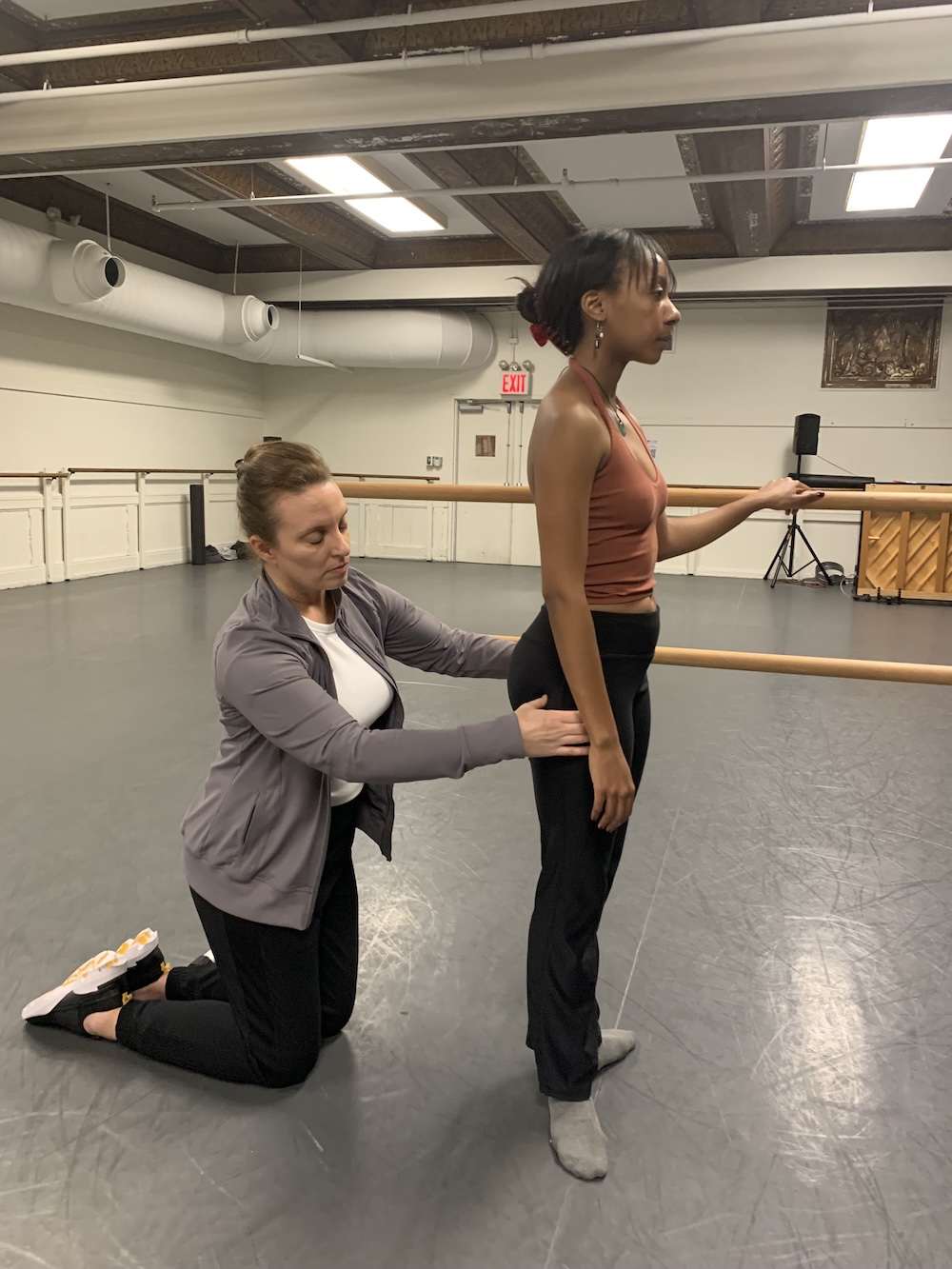
Zujko currently works in an outpatient orthopedic clinic, where she treats a diverse range of patients. She is clinic manager at Westside Dance Physical Therapy, adjunct faculty at NYU Tisch Department of Dance and founder of Dance Medicine Education Initiative.
These accomplished professionals encourage any dancer to consider PT as a second career. Gorrell says, “PT is an amazing path for dancers who are interested in a second career that feels adjacent to the world they have been in.” Zujko recommends that if you are a dancer thinking about a second career in PT, you should “get clear on your why. PT is a rigorous, but deeply rewarding profession.”
Wang is enthusiastic. “Go for it!” he insists. “With your experience, you are already ahead! It takes a lot of work and planning, but you will be able to use all of what you already know.” Those are some great words of motivation from someone who knows.
By Mary Carpenter of Dance Informa.
Share this: