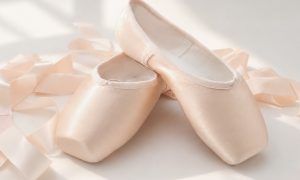
Attending a summer dance intensive is a perfect way to improve your ballet technique. Many programs offer rigorous daily pointe classes, as well as pas de deux, variations and rehearsals for performances at the end of the intensive. All that improvement requires lots and lots of pointe shoes. Students and parents need to prepare themselves for the number of shoes required and the maintenance needed in order to get to the finish line.
Most summer programs recommend one to two pairs of pointe shoes per week for the duration of the intensive, depending on the level and individual dancer. Most professional fitters and dance retail experts recommend even more, if finances allow. Students often underestimate how many pairs of shoes they will actually need. This can be due to the fact that they are coming from a home studio environment where they do not have as many pointe classes. Students literally are not en pointe as much as they are during a summer program with a demanding schedule. Anticipating extended hours en pointe will help students determine what their shoe requirements will be.
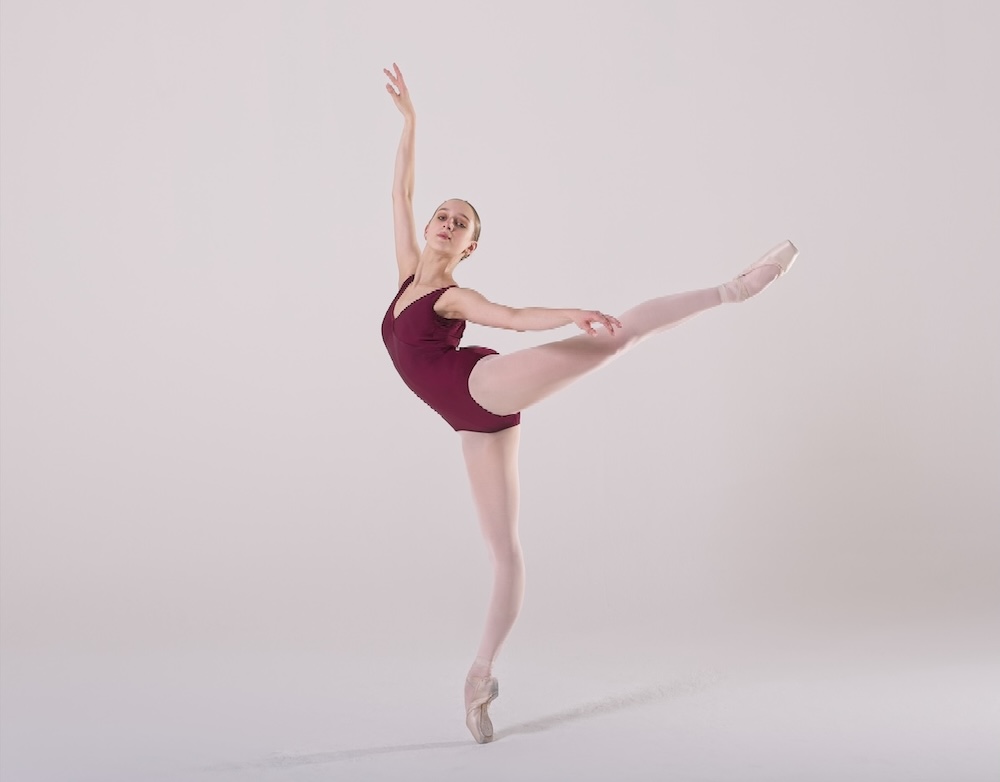
Traditional pointe shoes, for the most part, are made the same way they were centuries ago. Muslin, satin, canvas – along with a starch-based glue – combine to form the box and tip of the shoe. Cardboard, fiberboard, and leatherboard materials, along with nails or staples, form the backbone, or shank, of the shoe. These materials are perfect for breaking in and forming to the foot in a supple way, allowing for extraordinary physical feats. Unfortunately, the same materials that allow the shoe to behave in a supple way also cause the shoe to collapse under pressure and moisture.
Ballet places enormous pressure on the foot, and every dancer knows that sweat is just a part of every step. Warm summer weather can wreak havoc on traditional pointe shoes. Depending on the brand and the construction, they can often collapse like wet cardboard. This can send inexperienced young dancers scrambling midway through a program for additional pairs of shoes. Due to high demand, stores can quickly run out of stock in popular brands and sizes.
Another factor to consider is the location of the program. Some programs have ample climate control, and some do not. Air-conditioning large studio facilities is costly, and schools have no control over outside temperatures climbing above 90 degrees F. Dancers need to be prepared with multiple pairs of shoes and strategies for extending the life of every precious pair.
Do not store pointe shoes in plastic bags. First, remove toe pads or any toe cushions from the shoes at the end of the dance day. Place shoes in mesh bags to transport them from the studio to home to help the shoes start to dry out. After getting home, don’t let shoes sit in the mesh bag. Remove them and let gravity assist by placing the shoes tip-side up on a hook. The tips will dry out faster, and by morning you should be ready to dance in them.
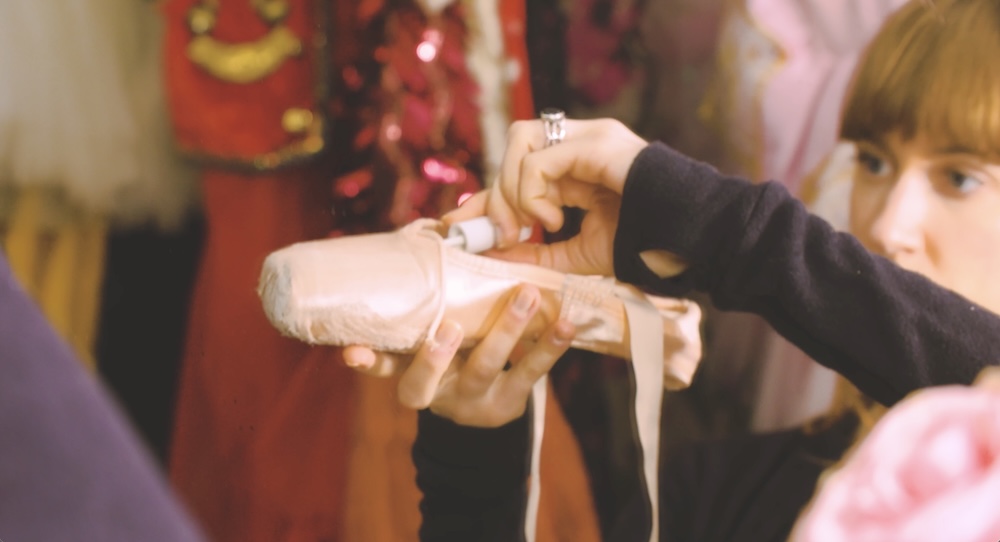
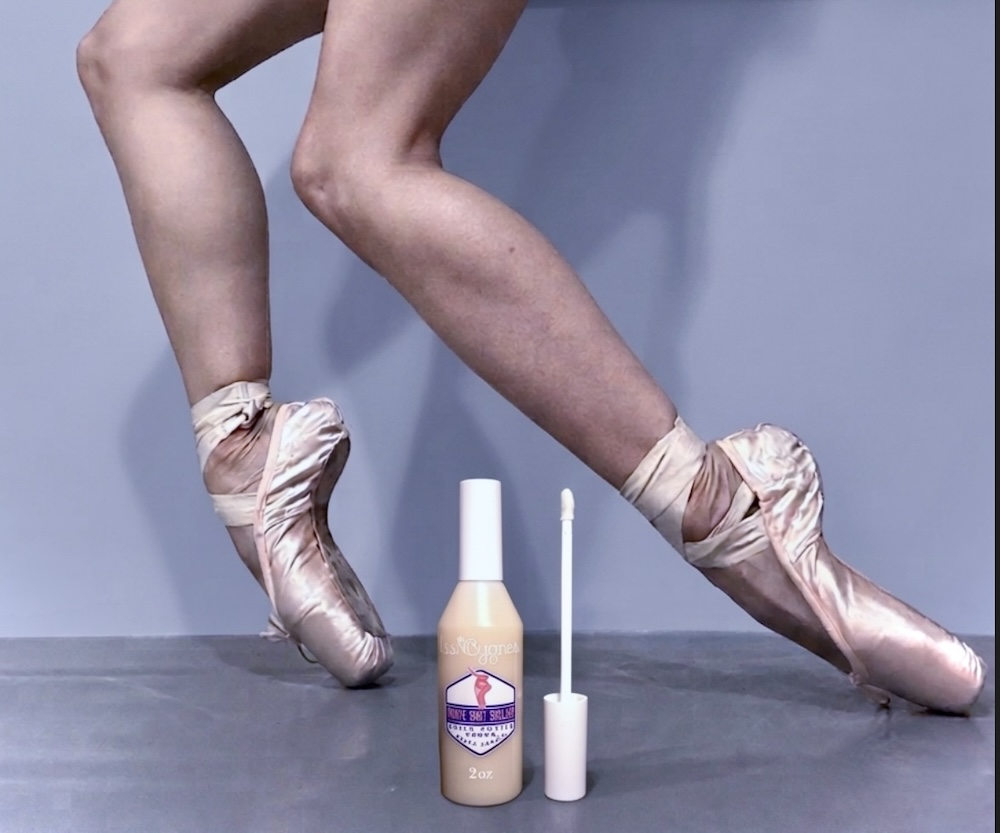
Most dancers add some kind of glue to their pointe shoes to extend wearability. Cyanoacrylates are fast-acting, high-strength instant adhesives that bond readily with the materials in the shoes. They are an effective way to waterproof and harden shoes at the same time. Cyanoacrylates are relatively inexpensive and can be found at dance or hardware stores. For anyone concerned about fumes, an alternative – Pointe Shoe Shellac by Les Cygnes – is easy to use and comes with a convenient built-in sponge wand. The best part is that the shellac dries after 20 minutes and can be reapplied when necessary. The shellac is shelf-stable and can last one to three years if stored properly.
Another helpful hint is to completely launder toe pads. Toe pads can absorb a lot of sweat, and that moisture can break shoes down as well. Rotating several pairs of toe pads allows the pads to dry completely between laundry cycles. Laundering the pads also helps protect against bacteria and odor.
Aliana Grieco, an Ellison Ballet Professional Training Program graduate and private student of Jessica Saund in NYC, wears Classic Pro 90 Freed of London pointe shoes. She also wears Bunheads Pro toe pads for comfort. She says, “I tend to go through pointe shoes more quickly during the summer due to increased humidity.” In the winter, she notes that she is able to make a pair last around two weeks, but in the summer she often goes through a pair each week.
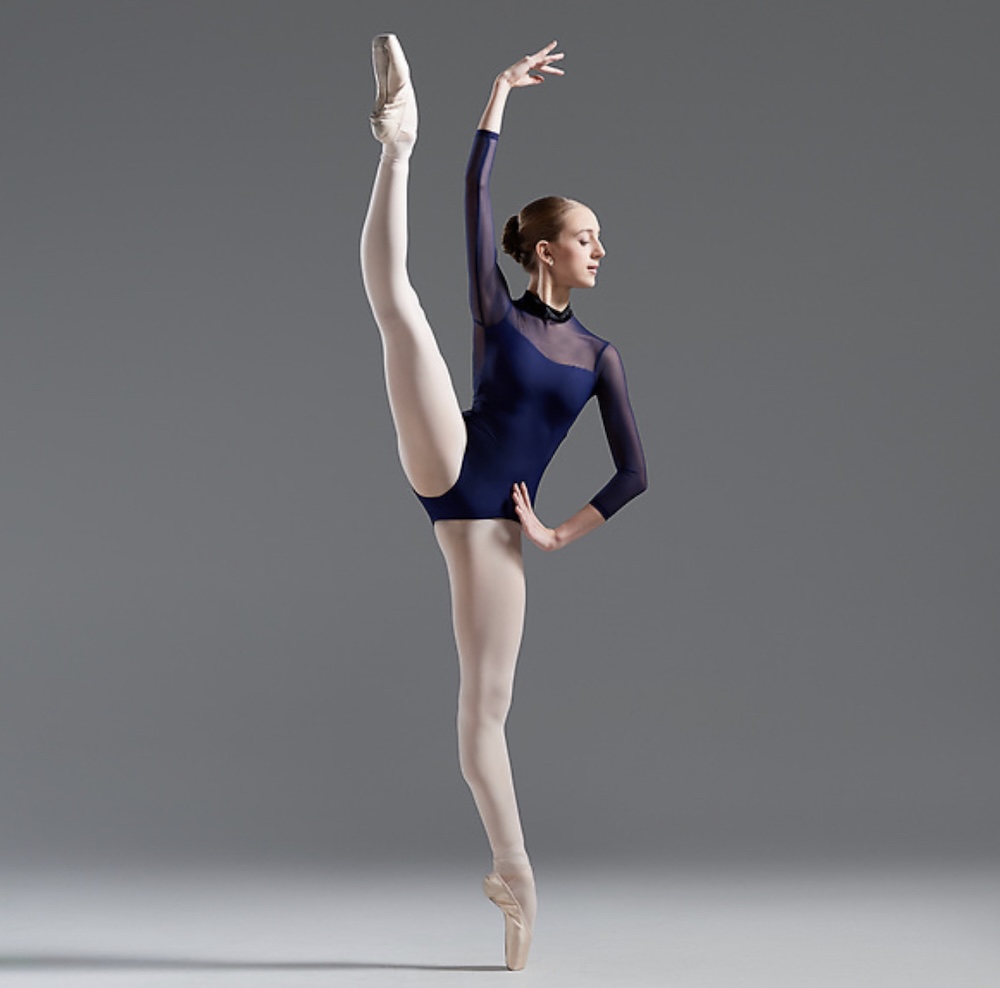
Grieco says, “I maintain a consistent shoe preparation routine throughout the year; however, during the summer months, I occasionally apply an additional layer of Jet Glue as needed.” She glues her shoes prior to wearing them, paying particular attention to the box of the Freed pointe shoes, as well as the area where her arch breaks. “I also recommend rotating between multiple pairs of shoes during the week to extend their longevity.” She gives the example of designating one pair for barre work and another for center work. She has also come up with an interesting solution for drying out her shoes. “During the summer I sometimes place my shoes in the freezer overnight (unusual as it may seem) as this can help re-stiffen them after a long day of use.”
Another option is to try pointe shoes made of contemporary materials such as elastomers. Shoes made with these modern materials are already waterproof and can handle hotter temperatures without collapsing. There are currently some good options available that use a hybrid of contemporary and traditional materials. Brands such as F.R. Duval, Merlet, Nikolay and Só Dança now offer hybrid options
Finally, using different brands of shoes for different classes is a smart way to increase durability. A heavier pointe shoe with stronger construction is usually good for the rigors of pas de deux. Lighter shoes can be used in classes or rehearsals that have less strenuous pointe work. Shoes that are softer are perfect for jumping variations.
With some forethought and maintenance, dancers can extend the life of their shoes. Reliable pointe shoes mean you can focus on dancing your best. Have a great summer!
By Mary Carpenter of Dance Informa.
Share this: