In the dance world, flexibility is often celebrated as a sign of talent. Long lines, deep arches, high extensions, and seemingly effortless contortions are praised, photographed and rewarded. For many dancers, hypermobility is what first draws attention to them in a studio. Teachers notice it. Choreographers use it. Audiences admire it.
But behind the beauty of extreme range of motion is a quieter reality that many dancers only discover after years of training: hypermobility is not just a gift. It is a biologic trait that carries real risks.
Hypermobility refers to joints that move beyond the typical range expected for a given joint. Some people are flexible because of training. Others are flexible because of their connective tissue. In dancers with generalized joint hypermobility or underlying connective tissue disorders such as hypermobile Ehlers-Danlos Syndrome (hEDS) or related hypermobility spectrum disorders (HSD), the ligaments that stabilize joints are inherently more elastic. This allows extraordinary range, but often at the cost of stability.
Early in training, this difference can be subtle. A young dancer may simply appear “naturally flexible.” They may progress quickly. They may be selected for advanced classes or featured roles. But as training intensifies, the consequences of poor joint stability often begin to appear.
One of the first challenges hypermobile dancers face is injury that does not fit the usual patterns. Instead of a single traumatic event, they develop recurrent strains, tendon pain, joint subluxations, or stress injuries that seem out of proportion to the workload. Ankles roll repeatedly. Hips feel unstable. Knees ache after class. Shoulders slip. Low back pain becomes chronic.
These are not failures of effort or conditioning. They are the predictable result of a body that moves too easily and stabilizes too poorly.
In a non-hypermobile dancer, ligaments provide a passive restraint. Muscles fine-tune movement. In a hypermobile dancer, ligaments do less of the restraining, and muscles must work constantly to compensate. This leads to early fatigue, altered movement patterns, and overuse of small stabilizing muscles that were never designed to carry the full load.
Over time, this can create a cycle: instability leads to muscle guarding, guarding leads to pain and altered mechanics, altered mechanics lead to further injury.
Another challenge is proprioception – the brain’s ability to sense where a joint is in space. Many hypermobile dancers have reduced joint position sense. They may look beautiful in a mirror, but internally they are less aware of how far a joint has traveled or when it has crossed into an unsafe range. This makes them more vulnerable to microtrauma, especially in repetitive training.
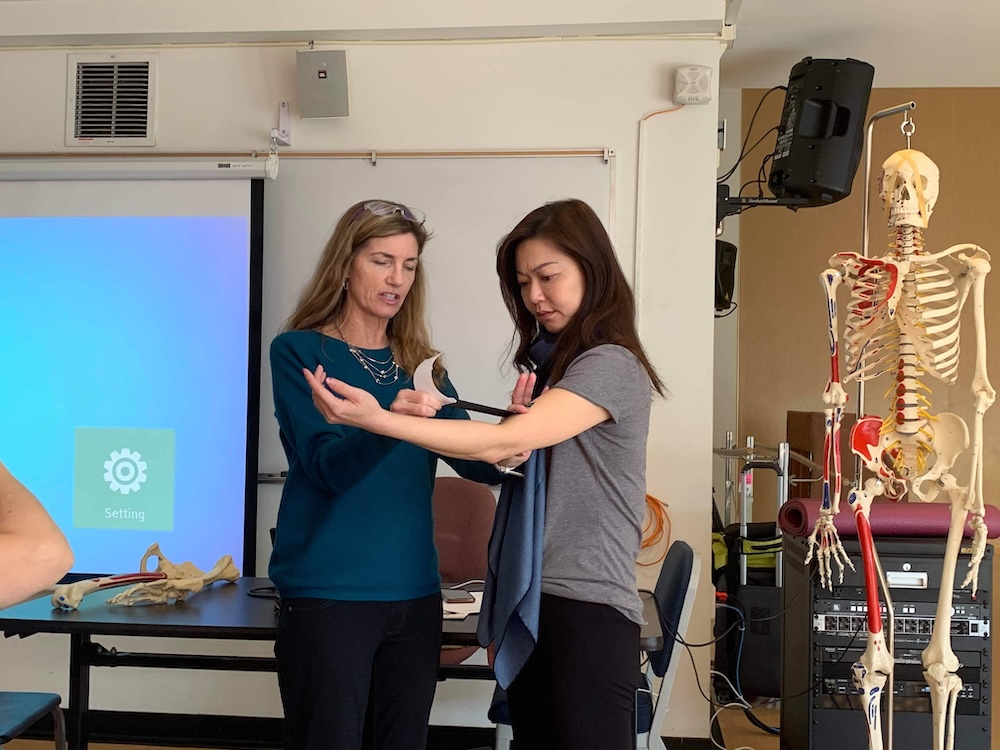
The culture of dance can unintentionally amplify these risks. Hypermobile dancers are often encouraged to push deeper into ranges that already exceed normal limits. Stretching is praised. Extreme positions are normalized. Pain is minimized. Stability work is often neglected.
For a hypermobile dancer, this is the opposite of what the body needs. The most important shift for these dancers is learning that stability matters more than flexibility. This does not mean abandoning range of motion. It means building a foundation that can support it.
Effective training for hypermobile dancers emphasizes:
- Deep core strength
- Hip and pelvic stability
- Scapular and shoulder girdle control
- Foot and ankle intrinsic muscle strength
- Slow, controlled movement through range
- Proprioceptive and balance training
It also means being cautious with aggressive stretching, especially long passive holds that further lengthen already lax ligaments.
Another important concept is that hypermobility often extends beyond the joints. Many hypermobile dancers – particularly those with recognized connective tissue disorders such as Ehlers-Danlos Syndromes – also experience features such as dysautonomia, gastrointestinal dysmotility, chronic pain syndromes or fatigue. These systemic features can affect recovery, endurance, hydration and injury healing in ways that are often misunderstood.
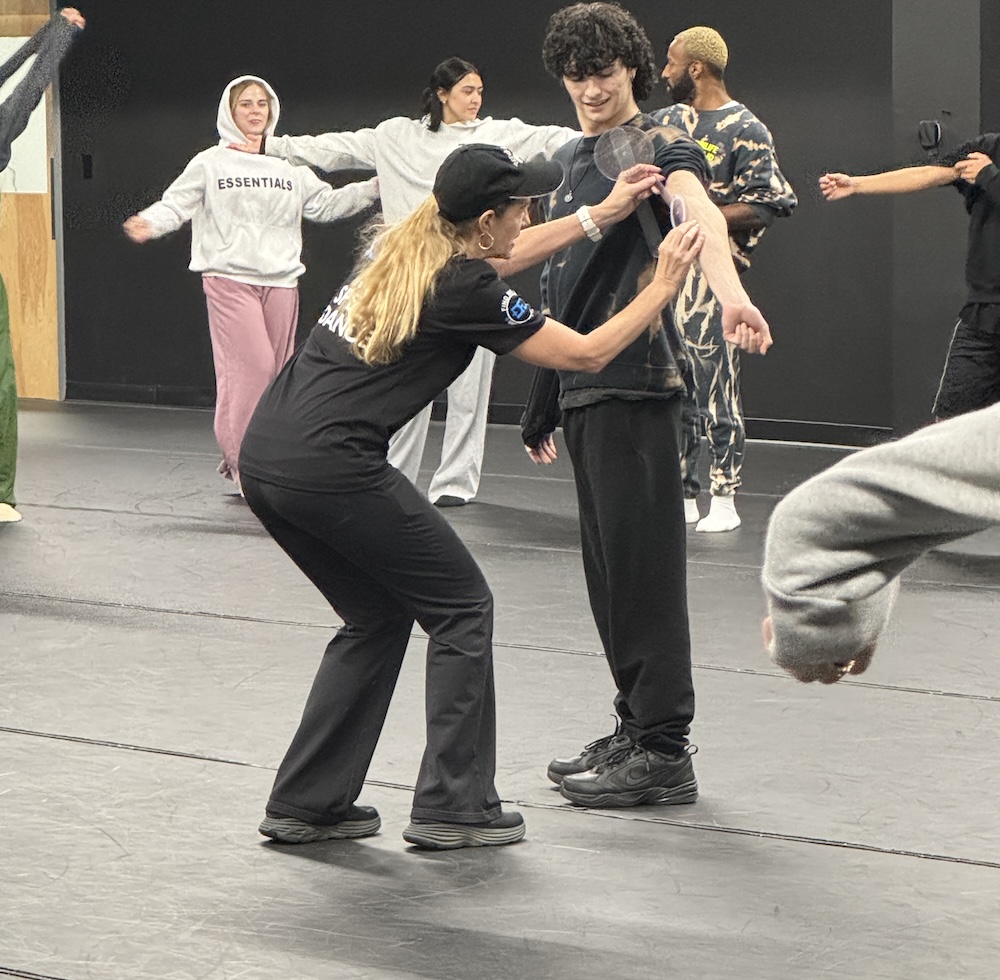
When a dancer struggles with unexplained fatigue, dizziness, slow recovery or widespread pain, the issue may not be motivation or resilience. It may be biology.
Early recognition matters enormously. When hypermobility is identified early, training can be adapted. Injury patterns can be anticipated. Careers can be protected rather than prematurely shortened.
Unfortunately, many dancers are not recognized as hypermobile until they are already injured, burned out or leaving the profession. Perhaps the hardest part is the identity shift this requires.
For years, a dancer may have been praised for what their body could do. Then they are told that the same trait that made them exceptional is also placing them at risk. This can feel like a betrayal of their own body.
But in reality, hypermobility does not have to be a career-ending trait. It simply requires a different relationship with training.
Some of the most successful long-term dancers with hypermobility are those who learn to:
- Respect their limits
- Train stability as seriously as artistry
- Rest before injury forces rest
- Choose longevity over extremes
In the end, the goal is not to make hypermobile dancers less expressive or less unique. It is to help them build bodies that can sustain the art they love.
Flexibility may open the door to dance. Stability is what keeps you dancing.

By Linda Bluestein, MD, of Hypermobility MD.
Dr. Linda Bluestein, MD, is a physician, former ballet dancer, and internationally recognized expert in hypermobility disorders. Through her medical practice, Hypermobility MD, and her educational work, she specializes in helping dancers and athletes navigate the challenges of hypermobility, injury, chronic pain, and career longevity.
Dr. Bluestein is the founder and host of the podcast Bendy Bodies with the Hypermobility MD, where she regularly features dancers, clinicians, and researchers discussing hypermobility and performance health. She serves on multiple dance and medical advisory boards, including the Dance Healthy Alliance of Canada and the Bridge Dance Project, and is a frequent lecturer on hypermobility in the performing arts.
A lifelong advocate for dancer health, Dr. Bluestein combines her personal experience in ballet with her medical expertise to help dancers train safely, reduce injury risk, and sustain long, healthy careers. Learn more at www.hypermobilitymd.com.
Share this: