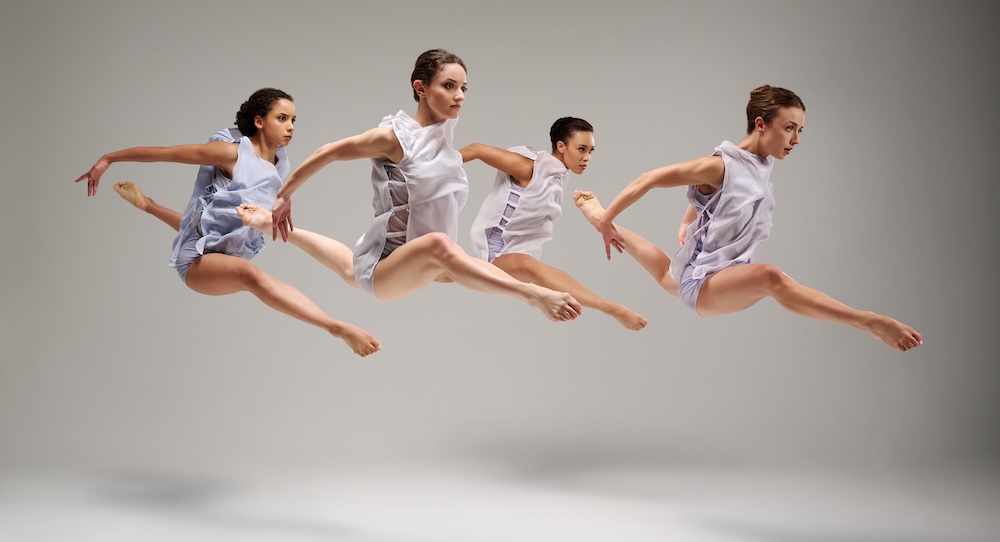
“From when I stepped into this role, my whole mission has been to underscore the depth of Latinidad – the enormity of that culture and history. Women are very much a central part of that,” affirms Eduardo Vilaro, Ballet Hispánico Artistic Director and CEO. “They are the central glue of the family circle – and that ripples out into community, politics, so on and so forth.”
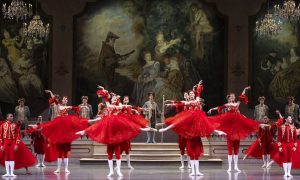
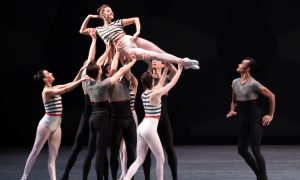
That’s the spirit undergirding the forthcoming program from the company, Mujeres: Women in Motion. It will be presented at New York City Center from April 23-26, featuring the works of three Latine choreographers: Cassi Abranches, Marienela Boán and Stephanie Martinez. It’s the second time that the company has presented a program of this type (the first time in 2012).
Dance Informa speaks with Vilaro and these three choreographers to learn more about this mission of uplifting Latine voices through the art of concert dance. We’ll look at how the works are coming together, what they’ll offer, and what the working relationship between the company and choreographers has been like (spoiler alert: it’s been great). Let’s leap in and learn more.
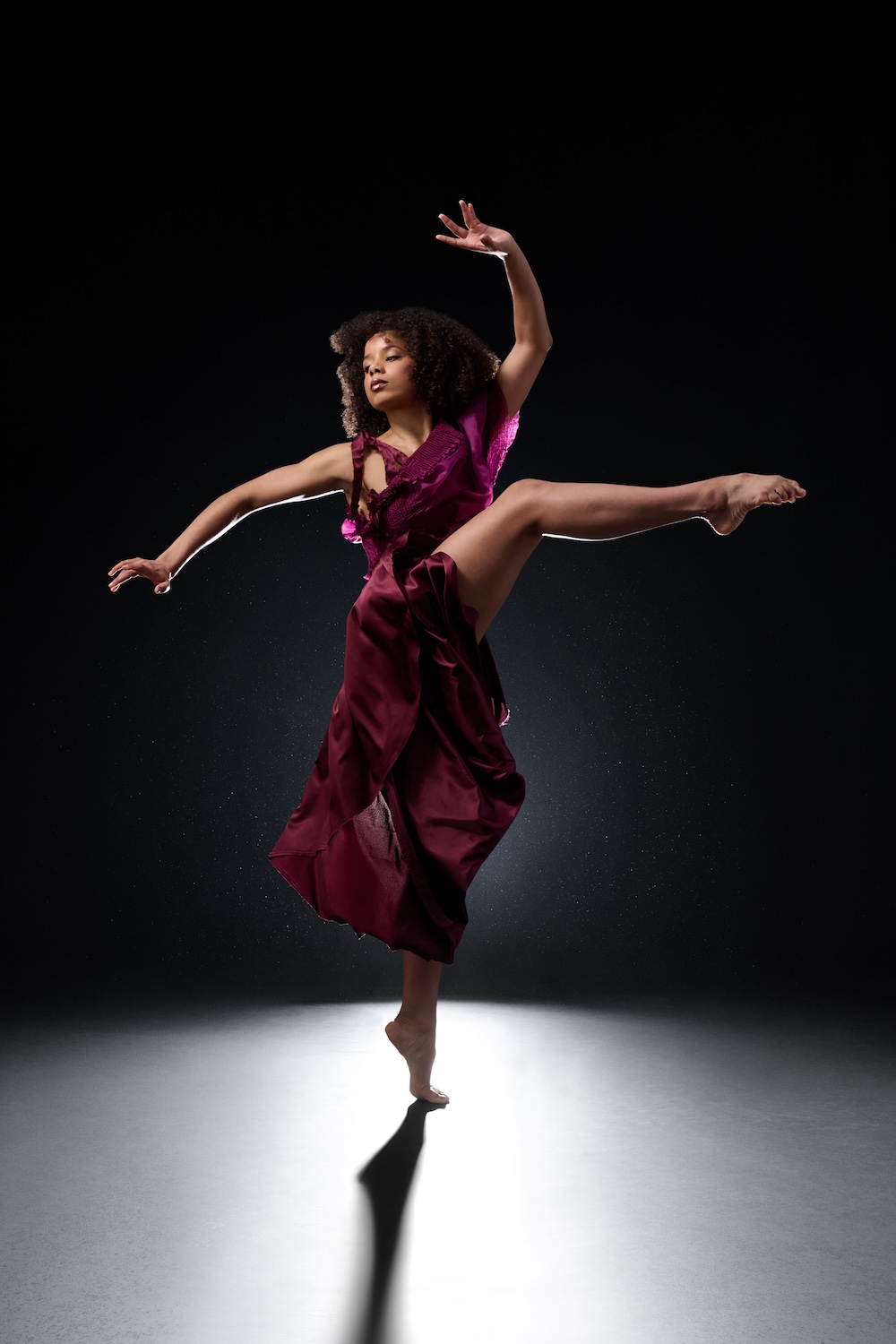
Uplifting overshadowed Latine voices
All three choreographers firmly believe that Latine women have been a driving force of culture: of community, of storytelling, of tradition. “The feminine is a unique driving force that profoundly influences art and society by introducing creative logics – such as listening, intuition, empathy, circularity and collaboration,” all things that act as “engines of creation,” Boán affirms. That is “vital for the cultural and spiritual survival of [communities], because they carry in their bodies the memory of their ancestors.”
Martinez believes that “our madres, tías, abuelas and hermanas have…carried traditions, protected culture, and passed down ways of moving through the world that are rooted in generosity, intuition and survival.” With respect to Ballet Hispánico, Vilaro notes how the uplifting of Latine women is embedded in the company’s DNA, from its very founding by Tina Ramirez.
Despite that centrality of Latine women in shaping culture and its stories, “their artistic and cultural contributions have been overlooked or folded into broader narratives that don’t fully recognize the depth of their influence,” Martinez adds. That’s inequitable and limiting for the art of dance.
“Dance is enriched when more perspectives, especially historically marginalized ones, are allowed to take up space. Latine women offer choreographic viewpoints we don’t see nearly enough on our main stages. Bringing those stories forward doesn’t just diversify dance; it deepens it,” Martinez argues.
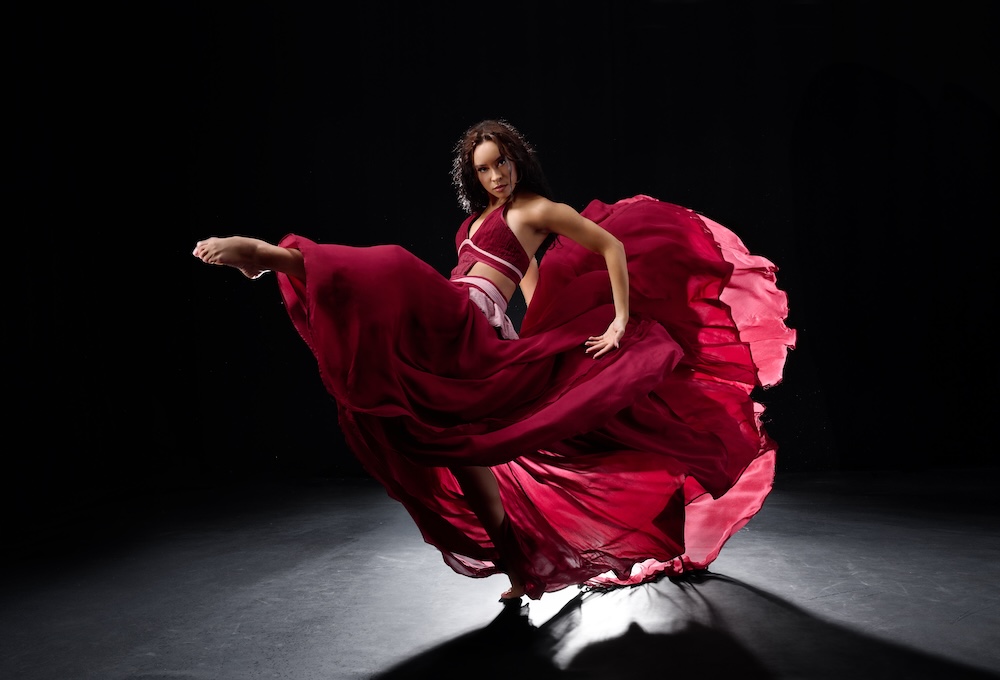
Further, doing just that benefits the art form’s future, because it “expands who gets to shape” it, she adds. Seeing people like themselves as leaders and featured makers “gives younger artists permission to embrace where they come from and to imagine themselves as leaders in their own right….it affirms that ‘your stories matter, your artistry matters, and the future of this art form is stronger when your voice is part of it’.” Vilaro points to a key example of this process playing out in Martinez herself; she was inspired to choreograph after seeing his work on stage.
Vilaro notes that such uplifting of women in dance is still important, despite the progress we’ve made; choreographic work is still male-dominated. “We do hold on to the ballet master hierarchy. But efforts like this program can chip away at that,” he believes. “We can call attention to the issue as well as push the envelope and move things forward.”
All of that said, the impact of Latine women sharing their stories onstage goes far beyond the dance field. It honors the “connective tissue of our communities,” Martinez believes. It can shine a light on the fact that these women “are not just muses, caretakers or cultural keepers; we are creators, architects and visionaries. When audiences see that reflected onstage, it broadens understanding and invites empathy,” she says.
Abranches argues that when Latine women have a true place in creative economies and wider culture – opportunities, recognition and beyond – they have a chance to share their point of view. That also contributes to a more equitable gender balance. All of that is important for “dance, culture and all aspects of our lives,” she says.
A window into three different choreographic processes
Down to the nitty-gritty, how do such stories in movement come together? For Boán, “the masculine and feminine, consciously utilized,” provide both concept and movement material. She emphasizes how she also draws on specific genres or creates allusions to specific stories with strong intention. For example, in Reactor Antígona, the character of Oedipus becomes a woman when she remembers Jocasta – which alludes to the Oedipus complex. That storytelling contributes to her work for this program, entitled Antigone.
Abranches draws on the cultural multiplicity of her Brazilian background, she shares. A unique musical heritage, celebration, and movement are all key to Brazilian culture. “My formation as a dancer included classical and contemporary dance, but it’s impossible to separate my way of dancing from my cultural background,” she explains.
At the same time, she’s open to a wide variety of aesthetic inspirations and elements; she’s used the music of Black Sabbath as a score, for instance. She aims “to make the audience feel and see the song through the dynamic, the energy, and the rhythm of the choreography,” she notes. For her work with Ballet Hispánico, she wants to spotlight “Brazilian soul.”
Martinez’s work for Ballet Hispánico – entitled Otra Vez, Otra Vez, Otra Vez – will draw upon Picasso’s The Old Guitarist (1903-4). With such a concept, “I’m not aiming to recreate the painting. I’m imagining what happens if its figure steps out of the canvas and into real life,” she explains. “Some people think that the painting is autobiographical, but she’s more interested in another idea that we can find in it: “that every stranger holds a world as vivid and complicated as our own…the ambitions, worries, routines and inherited chaos we never notice in the people we pass only once.”
The piece explores “those unseen inner lives,” Martinez shares, and alternate possibilities for Picasso’s life as well as those of the people he encountered. “The muted, introspective atmosphere of the painting becomes an emotional palette, while the dancers give breath and texture to the humanity behind it,” she adds. All of that considered, the painting can lead us into a larger question: “how do we honor the invisible stories all around us?”
City Center will be a great space for these works to shine, Vilaro believes. “It’s just big enough for us to expand the imagery and really see the choreographer’s vision at full scale, but also offers an intimacy allowing audience members to more closely connect with the dancers.”
Working with these three choreographers has also been wonderful, he notes. “They’ve all been so kind and open, and have truly brought such a welcoming spirit into our spaces. It’s been like having your hermanas back home!” Asked about if there’s any aspect of these works that he’s particularly excited about, he can’t choose. “All together, these works bring such breadth and depth: the political charge of Boán’s work, the way Martinez interprets Picasso from her positionality, and the deep history within Abranches’s work…I’m excited about all of it!”
Presenting through Ballet Hispánico
The feeling is mutual. Abranches says that “Ballet Hispánico’s staff has been “efficient and kind” and “a pleasure to work with.” With this return after creating a work for the company in 2016, Martinez has found the process “deeply meaningful.” In the studios, she’s felt “the same spirit of curiosity and cultural pride that drew me to the company years ago.”
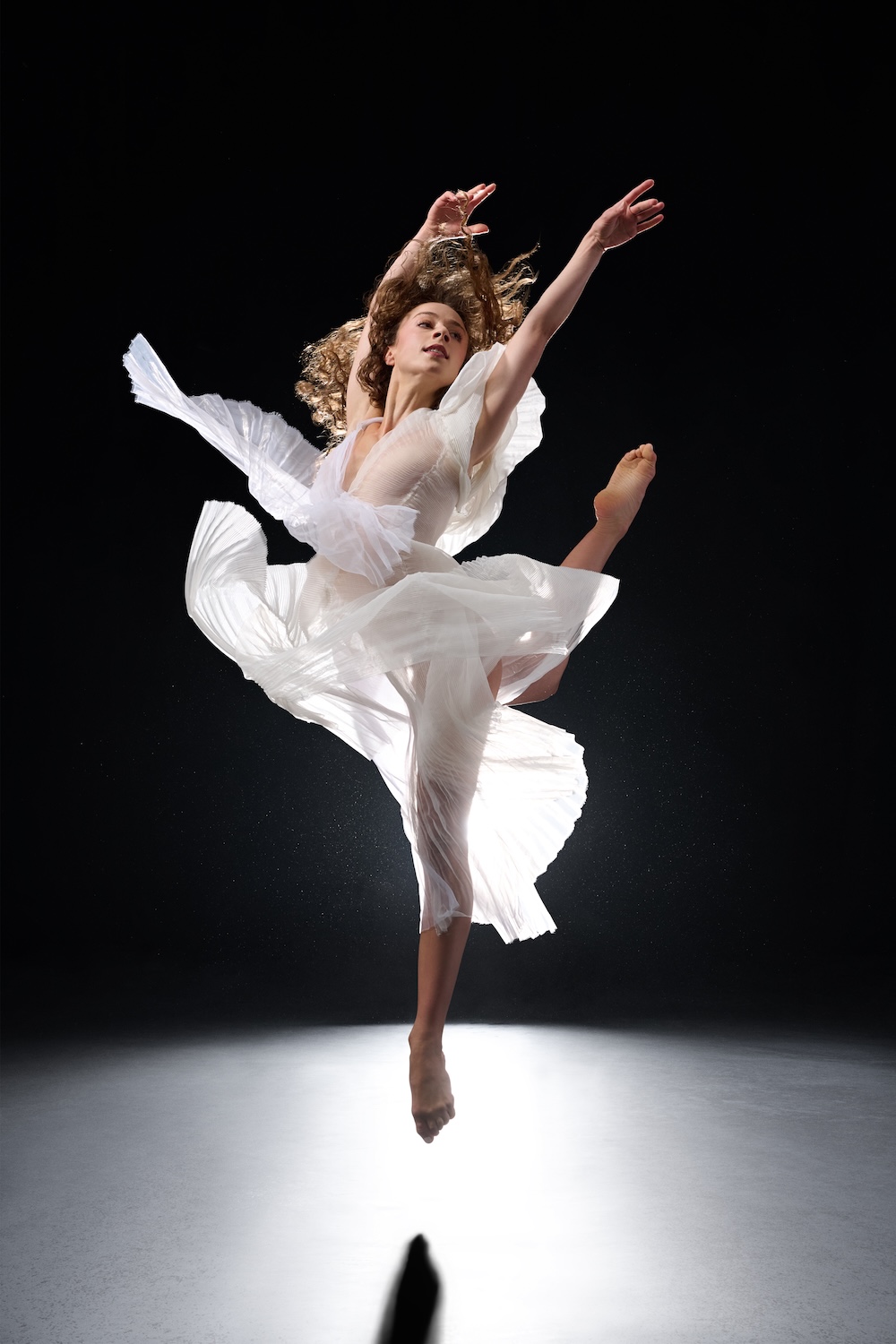
A big part of that is the dancers, who “bring remarkable integrity and hunger to the process. They’re not simply learning choreography; they’re embodying the stories, questions and emotional textures at the heart of the piece,” Martinez says. The fact that all of this “elevates the voices and experiences of Latine artists” makes it all the more meaningful.
Boán has found working with the company “very organic and natural, because I feel it’s part of my culture – in the very heart of New York.” Dialogue throughout the process has been excellent, she says, and that underscores her being and feeling culturally aligned while working with the company.
That culturally-focused mission is fundamental, Vilaro affirms. “It isn’t just language in a mission statement, but about actively centering Latine voices, encouraging artistic risk-taking, and empowering creators to explore their cultural lineage without limitation. That kind of environment allows the work to resonate more truthfully, revealing layers that only surface when artists feel genuinely seen and supported.”
By no means does the work of uplifting artists like Boán, Martinez and Abranches stop here, Vilaro adds. “We’ll keep doing something like this program every few years until the light is really on women like them, until we truly demonstrate the depth and breadth of what they have to offer.”
Ballet Hispánico will present MUJERES: Women in Motion at New York City Center from April 23-26. Learn more about the program and purchase tickets here.
By Kathryn Boland of Dance Informa.
Share this: