
For a long time, dance careers (and specifically ballet) existed in three distinct categories; training, performing and teaching/coaching. They rarely overlapped over the course of a long career. But it’s less and less the case today, with fewer companies offering full-time contracts, more companies losing grants for project-based gigs and lack of government support (at least in the U.S.) for arts funding. As such, creating a practical dance career requires attention in a few directions at once. (Reader, I am a dancer, writing about dance.)
The easiest and most common way to fund a dance life is to start teaching while “still” performing. The old adage that dancers only teach when they retire from company life, get injured or simply never “made it” no longer applies. Not only are dancers teaching earlier in their careers, but find deep and consistent value from teaching regularly while taking class and performing themselves. Dance Informa caught up with four NYC-based dancers doing just that, to find out how teaching has positively impacted their performing careers.
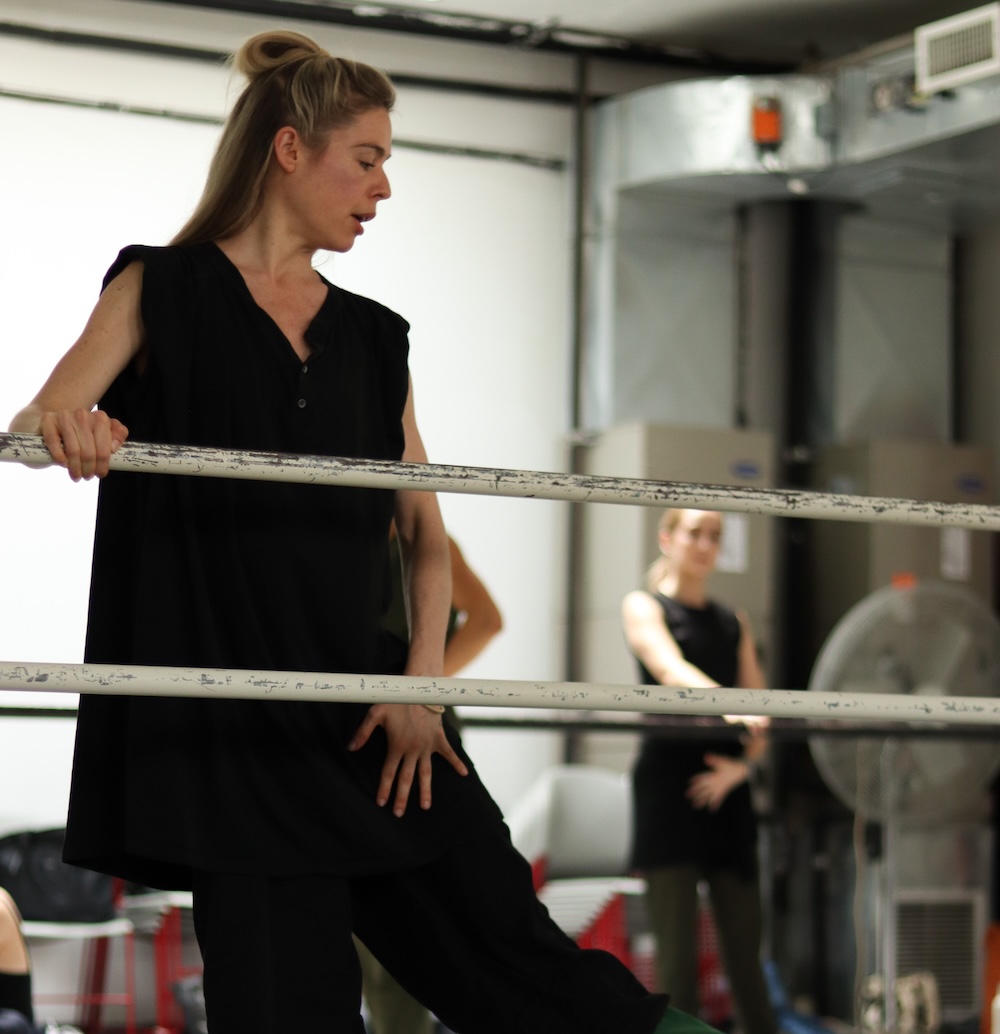
Laura Kaufman: Performing at The Metropolitan Opera, with Woman In Motion (co-founder), and national tours of CATS and An American In Paris. Teaching at Steps on Broadway, Broadway Dance Center, Ballet Arts, as well as holding her own pro-level ballet classes around NYC.
How did you start teaching?
“I first started teaching when I moved to Salt Lake City to dance with Odyssey Dance Theatre. I needed additional work, and it felt like something that fit naturally in my life. When I did the An American in Paris tour, I started teaching company class, and that is where I truly fell in love with teaching. Teaching fellow professionals, fellow adults who choose to take those 90 minutes out of their day to dance is so special.”
What impact has teaching fellow professional dancers had on your own dancing?
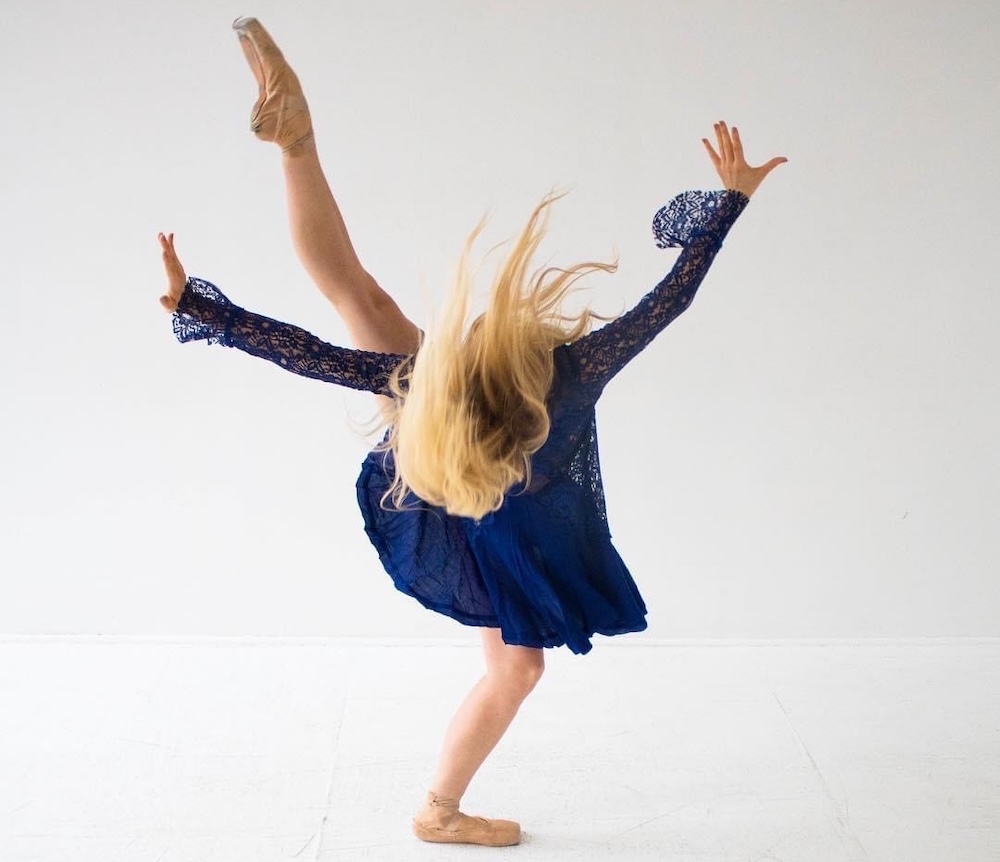
“I never knew just how much it would have a positive effect on my dancing! When I was younger, I had it in my head that once you were a ‘teacher,’ your dance career was over. I could not have been more wrong. Doing both simultaneously has contributed to the growth of each. I learn so much from my students. I see things in them that I see in myself, yet never realized before. I’m then able to apply these corrections to my own dancing. Sometimes seeing it on another body makes it click in my own. Teaching also makes me have more grace for myself as a dancer and class taker. I have so much empathy for each student who walks into my class, yet I always have a hard time being kind and easy to myself when training. I am also reminded of the why and the joy of dance. When I see my students flying through space with abandon, it makes me even more grateful that I still get to do the same. On the flip side, I also feel that I’m able to be a stronger teacher because I am still so actively taking class myself. I am taking in new information every day when I take class, and I get so excited to share these new thoughts and epiphanies with my own students. Instead of being stuck in one single teaching mindset or idea, I have the privilege of letting that constantly morph and expand. Our bodies change, our dancing changes, our mindset changes, and it is a gift to be able to share this.”
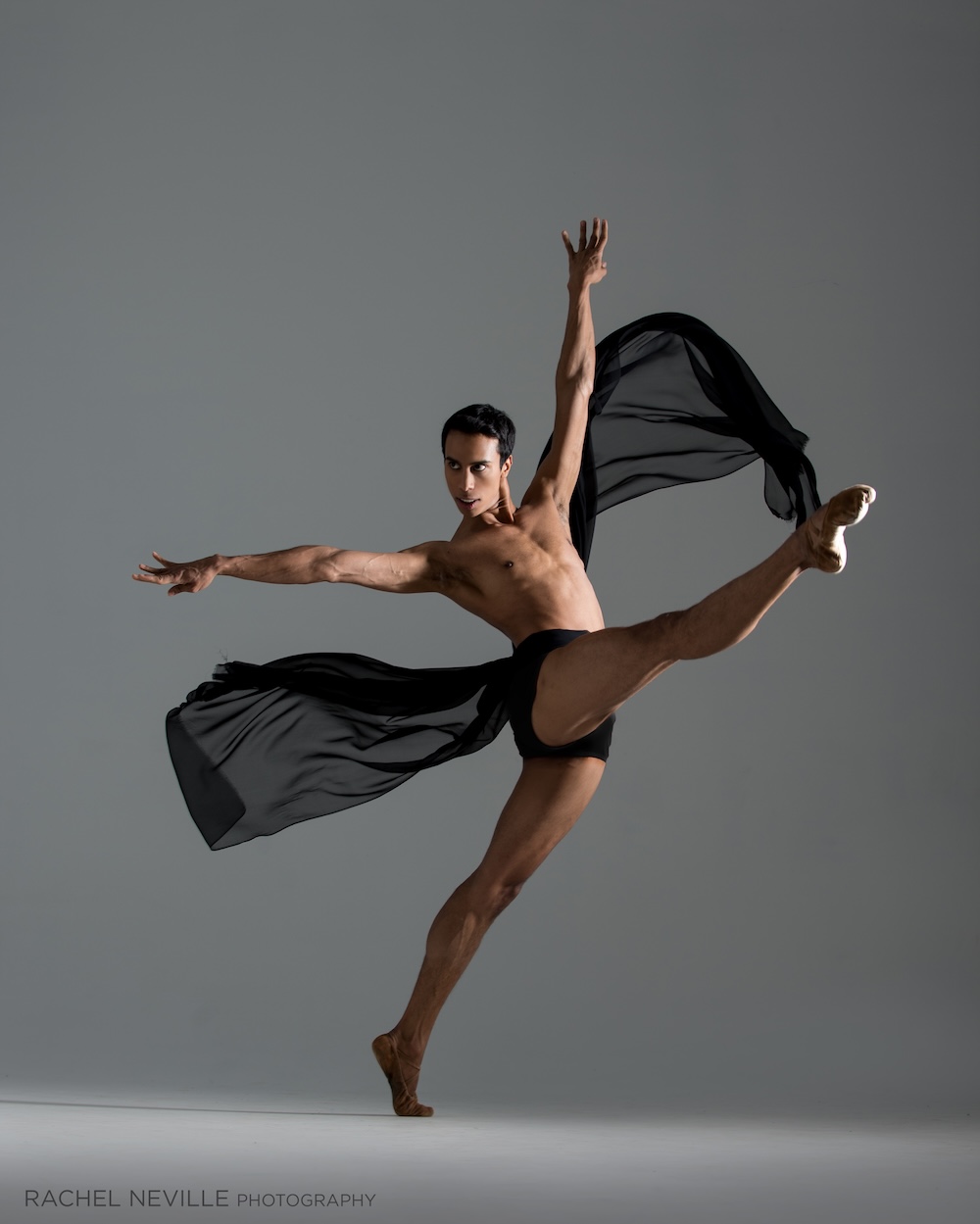
Francis Lawrence: Performing as a freelance artist. In the past year, assisted his former company, Dance Theatre of Harlem. Lawrence has danced in multiple galas, entered his own choreography in competition, placing third alongside his dance partner, Crystal Serrano. He performs with smaller companies and independent choreographers in New York, and occasionally appears in musicals. Teaching at Steps on Broadway, Broadway Dance Center, Alvin Ailey, Ballet Academy East and Connecticut Ballet.
How did you get into teaching?
“I’ve been fortunate that every company I’ve danced with had a teaching component. My first company in Michigan had all the professionals teaching after our dance day, as it was how we earned extra income. With Dance Theatre of Harlem, their extensive educational program for schoolchildren was a core part of our touring. Almost every musical or company I’ve worked for since has had a masterclass series, so my teaching skills have been consistently in use.”
How does teaching alongside dancing help support your own dancing and managing a freelance performing career?
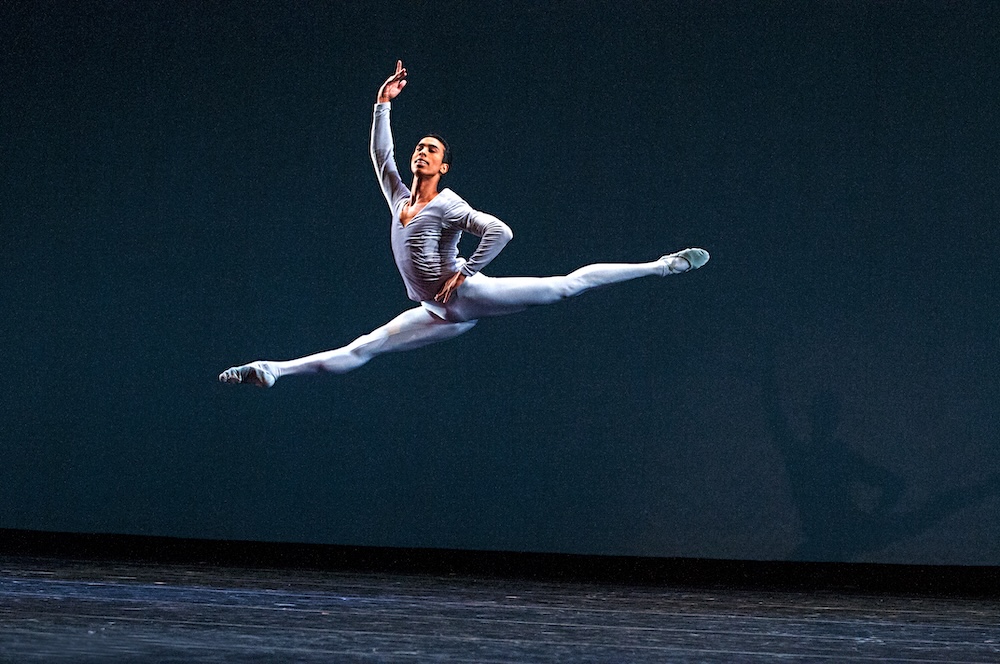
“One of the main things teaching helps with is practicing what you preach. If I tell a student to turn out their working leg every time in rond de jambe that morning, I make a point to apply that same correction when I take class later. It’s a great reminder to implement the very principles you teach. Class can sometimes feel repetitive, and we don’t always receive many corrections ourselves, but by recognizing and addressing an issue in a student, I become more conscious of my own technique and corrections. Teaching doesn’t mean your dance career is over. I used to hesitate to teach because I thought it signaled retirement, until another teacher pulled me aside and said, ‘No, it doesn’t mean your career is over.’ I’ve since found teaching to be a far better source of income than working in a bar or coffee shop. If you do the math, two classes at three hours is far better than an eight- to 10-hour shift in a restaurant. Working fewer hours allows me to take class, attend auditions and maintain my dancing while staying financially stable.”
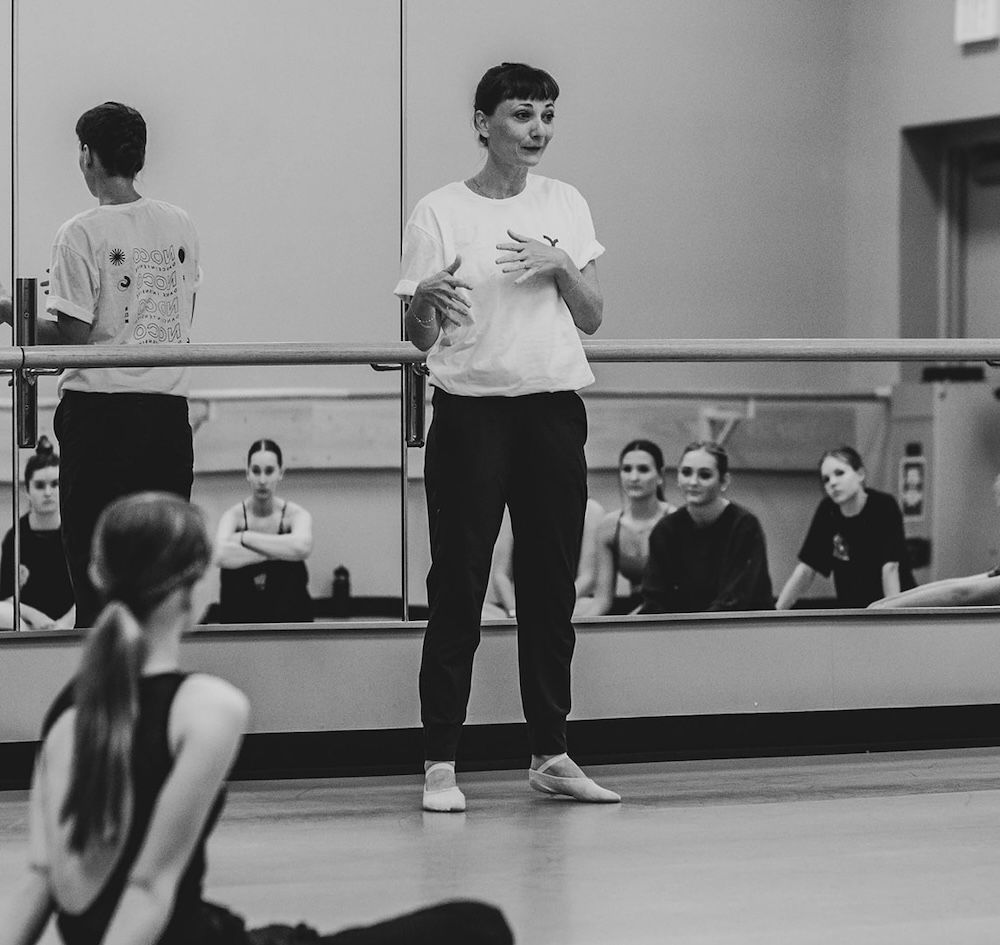
Amanda Treiber: Performing as a freelance artist and director of her own company, Amanda Treiber + Company, following 15 years as a principal dancer with New York Theatre Ballet (NYTB).
What brought you to teaching?
“I first started teaching in high school at my dance studio as an assistant to the younger dancers. When I moved to New York and began my professional career, I started teaching on a regular basis. As an apprentice at NYTB, I was expected to assist classes in the professional training program. After a few years of assisting, I became in instructor in the school.”
What did instructing at the school where you were also a member of the company do for your dancing over all that time?
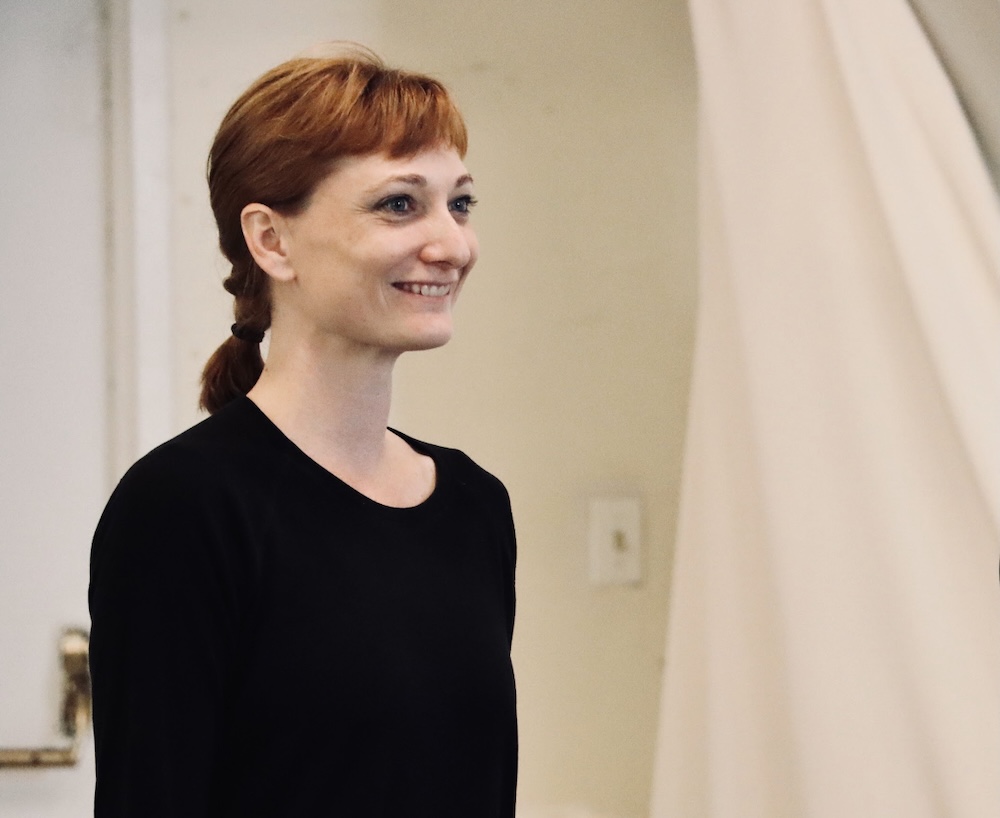
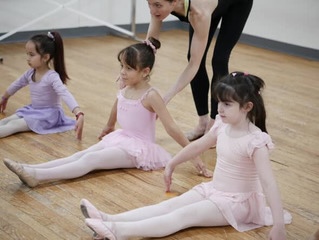
“I find breaking down even the most basic of steps — for example, teaching a very young dancer how to do a tendu — reinforces my understanding of the step not just physically but rhythmically. It helped me establish, for myself, what works best for me as a dancer and what I personally enjoy seeing as an audience member, which then inspires and drives my choreographic work. One of my favorite things is to coach professional dancers in dramatic roles. I enjoy helping the dancer think through all the whys and hows when telling a story through movement. I love to hear how other dancer’s imaginations are activated, and I often use these experiences and conversations to dive deeper into in my own storytelling.”
Lauren Treat: Company dancer with MorDance, as well as freelance projects. Teaching at Manhattan Youth Ballet, MorDance’s Acadmey and Adult classes, Union Square Play, as well as teaching for and directing the dance department at the Riverdale Y ‘Riverdale Y Dance.’
How did you get your start as a teacher?
“A school nearby was looking for teachers, and some company members I danced with taught there. I am immensely grateful for Norwalk Academy of Dance, who took in an inexperienced teacher with no thoughts of a long-term teaching career in dance education, and gave her the chance to fall in love with teaching.”
Since that time, what has teaching done for you as a dancer, and how do you see the class you take differently since becoming a teacher?
“It’s made me more aware of what I’m doing in class. I’m constantly inspired by little tid bits as I take class in the morning that I can work into class later in the day. Sometimes it can be as simple as ‘Ooh, do a pirouette combination with no tombé pas de bourée to fourth – I want to try that with my students!’ It’s opened my eyes to the things that teachers do to make a great class for me as a dancer, and that I can bring into my classroom to be able to teach the kind of class I want to give. The tone of voice, the tempos, the pacing throughout class – all are things I’m more aware of. Teachers have the energy of a class in the palm of their hand, and it’s magic when they work it into something beautiful.”
Laura Kaufman: @yuzzz12
Francis Lawrence: @francislawrence
Amanda Treiber: @amanda_treiber_
Lauren Treat: @laurenetreat
By Emily Sarkissian of Dance Informa.
Share this: