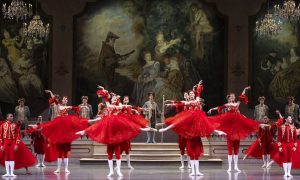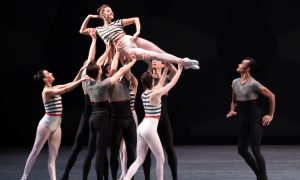
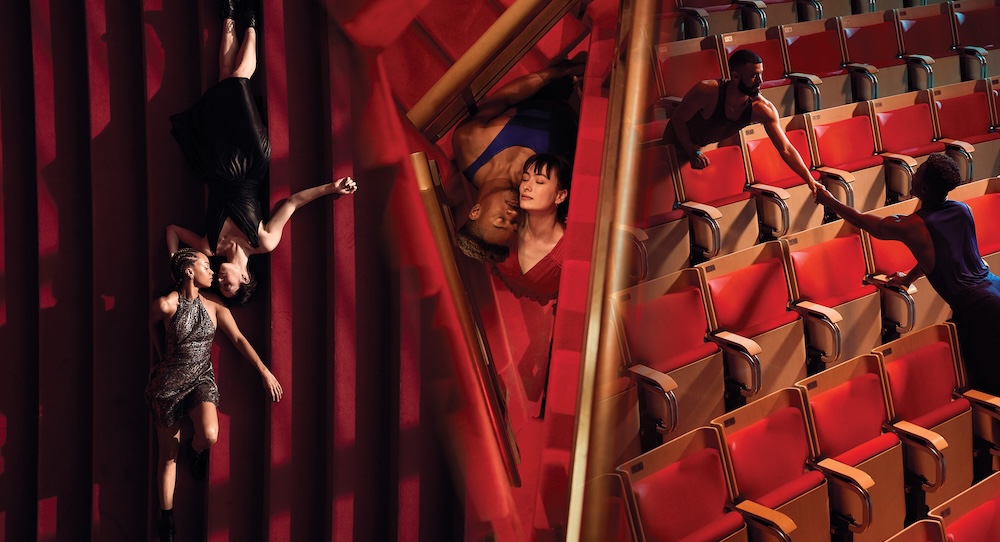
It’s a story we all know: young lovers kept from each other because of warring family dynamics, the tragic result of which ends in death, and perpetuates the cycle of violence. Romeo and Juliet may be one of the most adapted plays in literature: taking forms in ballet, opera, theater, fashion and visual art. And while it may be a tale as old as time, it’s rich enough to reconsider how we interpret the story.
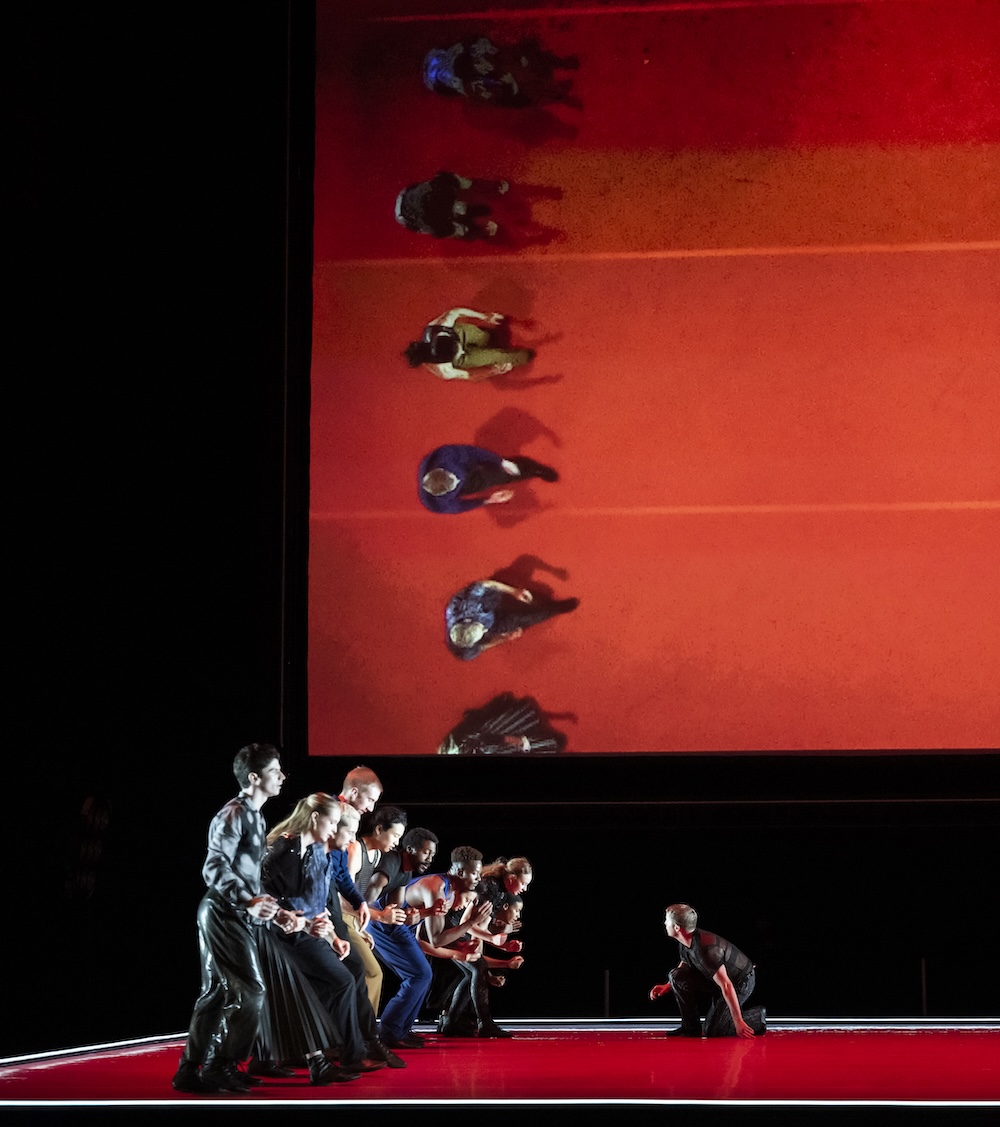
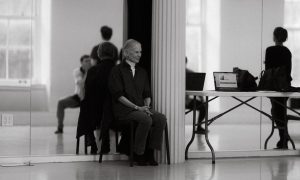
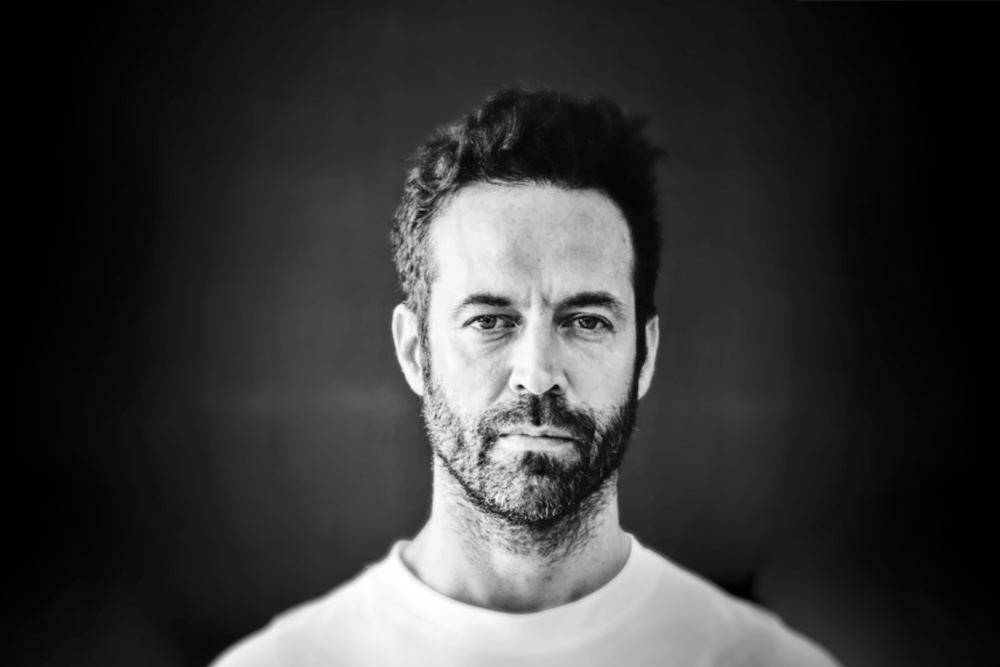
Benjamin Millepied (Black Swan, L.A. Dance Project, New York City Ballet, Paris Opera Ballet) takes on the task of re-telling the classic tragedy in a site-specific production by L.A. Dance Project this March, at the Park Avenue Armory in NYC. In Millepeid’s version, the show uses contemporary choreography, large-scale projection, and a re-imagining of gender by way of using male/female, male/male and female/female pairings for the lead two roles. Here, Dance Informa speaks with Millepeid about the magic of site-specific work, whether gender matters and bourgeoning nuances of making art as one gets older.
You’ve staged this production at several theaters around the world: La Seine Musicale in Paris, The Wallis in Beverly Hills, the Segerstrom Center for the Arts in Costa Mesa, and the Sydney Opera House in Sydney. The NYC premiere will be held at iconic Park Avenue Armory, the 1880 building that’s been a performance space since 2007. What about site-specific work in general, and what specifically about the Armory, excites you as you bring the show to New York audiences?
“The whole theater comes to life, to some extent, and it’s almost like the audience happens to be in a space where the play, or the dance, is happening. We create variations in every theater, because every theater is different, and use them all differently. It’s not just the spaces; it’s also how we light them. But it always changes. And that’s what I love about the piece and the opportunity.”
A significant part of the performance includes large-scale video installations. Can you talk about the value of including video, and why it elevates the audience’s experience?
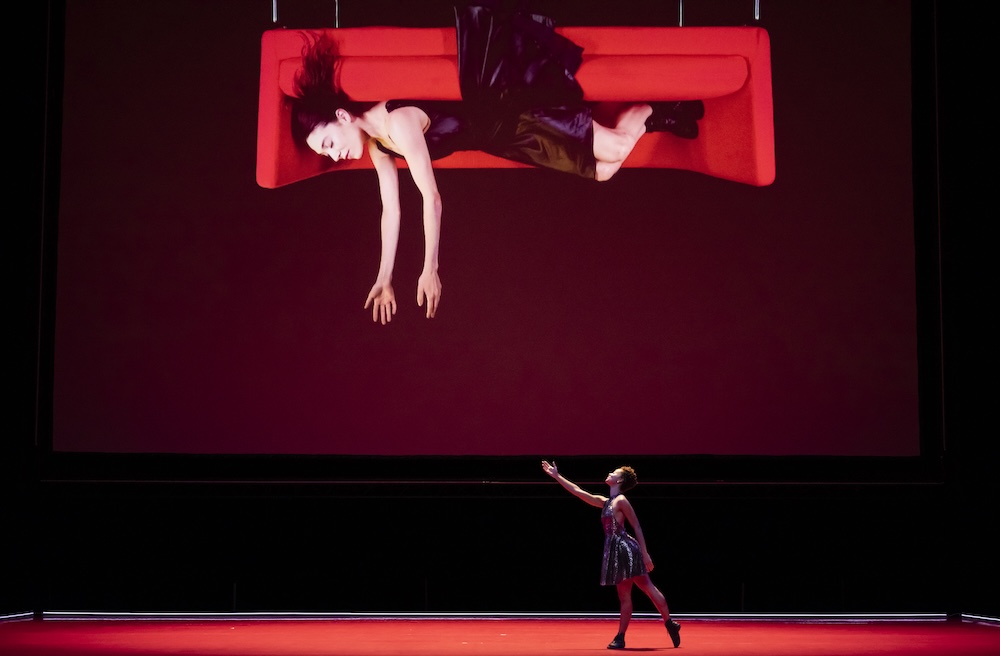
“You always see the video live in front of you, and the audience goes from watching the dance on stage to watching cinema. They don’t even realize they’re just having a cinematic experience. It’s constantly playing with this idea that we go seamlessly from theater to cinema. We find ways to create imagery that becomes the set at all times. The screen is never just a white screen, so it was really fun to play with and to create a piece using imagination and very simple tools.”
Romeo and Juliet is a story we’ve seen and heard hundreds of times, in various forms. In this production, you’ve re-negotiated the lead characters in terms of gender pairings; on any given night, the audience might see the familiar male/female union, but they also might see a female/female relationship, or a male/male one, as casting shifts per performance. What about this choice serves the larger storytelling, and what drove you to consider the story this way?
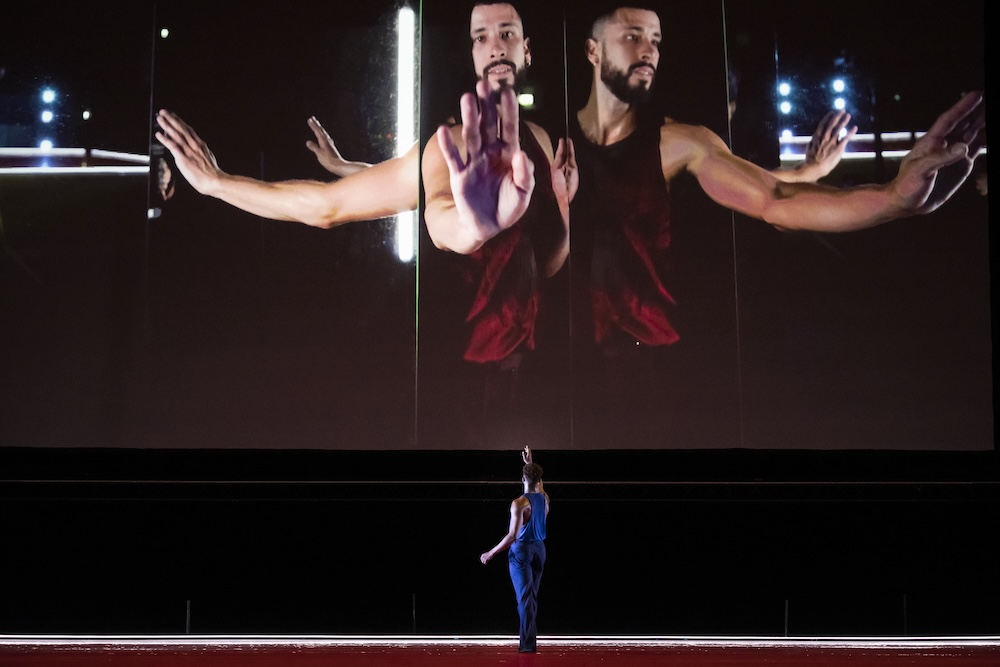
“Even though the story we know is a conventional male/female set up as it was written, what is my right to decide? It felt more interesting to represent same gender love, and more powerful. I’m not going to make a political statement; I just felt it is a universal love story.”
What starts your process, and has it changed over time as you become more experienced?
“Some things have changed, but ultimately and now more than ever, I always pick passion projects. There’s a specificity to attack now, which draws a different sensibility. Otherwise, because I’ve been doing this for a long time now, there’s a freedom I didn’t have years ago. It’s always about human experience. I have more specific things to say, and the relationships are more complex.”
L.A. Dance Project will present Romeo & Juliet Suite from March 2-21, at the Park Avenue Armory in NYC. For tickets and more information, visit www.armoryonpark.org/season-events/2026-season/romeo-juliet-suite.
By Emily Sarkissian of Dance Informa.
Share this: