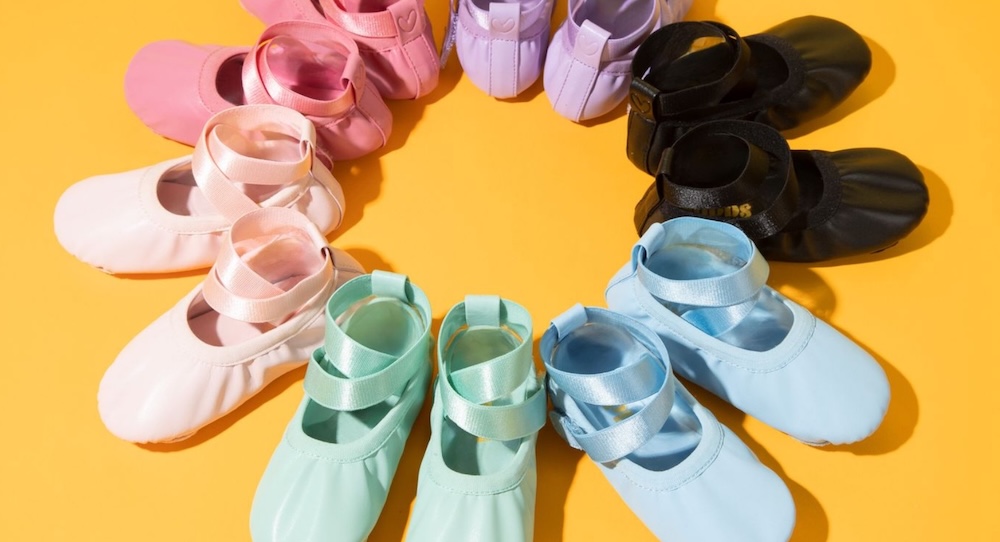
Slipps began the way many truly original ideas do: with a person who notices a problem that needs to be fixed. For Cole Leroux, the founder of Slipps, that moment crystallized in a children’s ballet class in Santa Monica, where she watched tiny dancers struggle with shoes that clearly weren’t designed with them in mind. She didn’t know it yet, but that frustration would one day become the spark for a brand that is now redefining what children’s ballet shoes can be.
Leroux’s path to entrepreneurship was never linear, and certainly not traditional. She wasn’t a child who spent her life in a dance studio. She grew up in Minnesota after being born in Los Angeles, and although she loved performing, she found herself pulled equally toward what happened behind the scenes. In high school, she jumped into dance programs whenever there was a space for her. She competed, she tried different styles, and she experimented. But, more importantly, she observed. By the time she reached college, she realized she was drawn to the production and design world just as much as dance itself. She majored in scenic design at CalArts in Valencia, where collaboration and immersion in every artistic discipline became part of her creative DNA. Every creative outlet she explored, she says now, led her to Slipps.
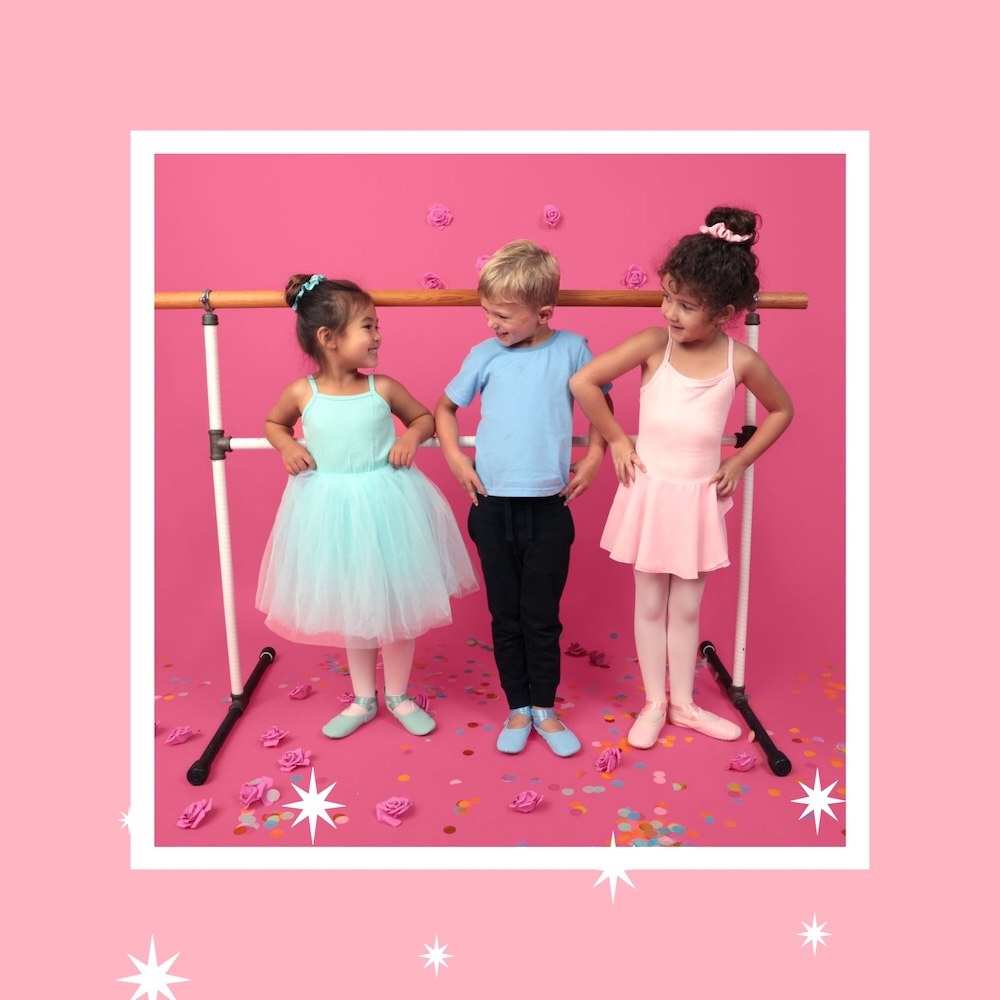
Before any of that, she was a student at Santa Monica College, working toward residency and in need of a part-time job. She found one at Santa Monica School of Dance and Music, sitting at the front desk answering phones and checking in families. One vacation-heavy season, the studio needed a substitute teacher, and Leroux volunteered. She learned the curriculum, stepped into the classroom and, as she puts it, found her stride almost immediately. She began teaching Mommy-and-Me classes through age seven, discovering that she loved the chaos, the energy and the way children wear their emotions openly. Kids don’t hide dislike or discomfort, especially with shoes – and they were vocal.
Each week, she heard the same complaints from little dancers: the shoes hurt, the drawstrings came untied, the colors weren’t fun, the slippers didn’t feel like theirs. She saw children of all kinds – tiny ballerinas, little boys who wanted to move, shy dancers, bold ones – all grappling with footwear that didn’t match their excitement or individuality. She feels that ballet is often the first entry point into movement for many children, yet their footwear is an afterthought. Why weren’t dance slippers designed with the creativity of kids’ light-up sneakers? She joked to the kids, “If I have to tie your shoes one more time, I’m going to throw them in the street.” But underneath the joke was a real recognition. There was a need no one was addressing.

For months, she wrote down comments, frustrations and observations after each class. She researched brands, styles, patents and materials. She looked hard at how companies approached children’s dance shoes and found that most simply scaled down adult models. The result was footwear that didn’t fit well, didn’t feel good and certainly didn’t spark the imagination. She noticed shopping experiences were intimidating for parents with no dance background. She studied everything from how vegan leather is sourced to how long it takes a confused parent to find the right size chart online. What she wanted was something approachable and joyful: colors that invited kids to play, packaging that made them feel excited, and shoes that reflected the imperfect reality of a bustling studio. She wanted joy and fun, not just the pristine ideal of a performance stage.
But life carried her forward into the world of scenic design. Leroux’s career accelerated quickly. She worked the Oscars, Bravo’s Real Housewives, major live broadcasts – glamorous, high-pressure jobs in which she excelled. But even as she climbed the ladder, she felt a disconnect. The work didn’t feel like “her.” Eventually, she left and worked for her mother’s event planning company. In March 2020, the world stopped. The pandemic reset brought her back to the ideas she had scribbled in notebooks over a decade earlier. She bought a cheap pair of ballet shoes from a big-box store, glued materials to them, and began experimenting. She took them to a pattern maker, got the fit right, and began the long process of turning a homemade prototype into a real product.
From the beginning, she approached kids’ footwear with equal parts research, intuition and creativity. Her years working at Nordstrom taught her a critical lesson: people love buying beautiful, well-designed things for children. She walked through the kids’ department studying how small shoes were built, what materials were used, and how effortlessly young children fastened Velcro straps. She realized immediately that ballet slippers full of drawstrings, elastic casings, and stiffness made little sense. Kids want independence. They want softness. They want to slide their feet into shoes that feel magical, not mechanical.
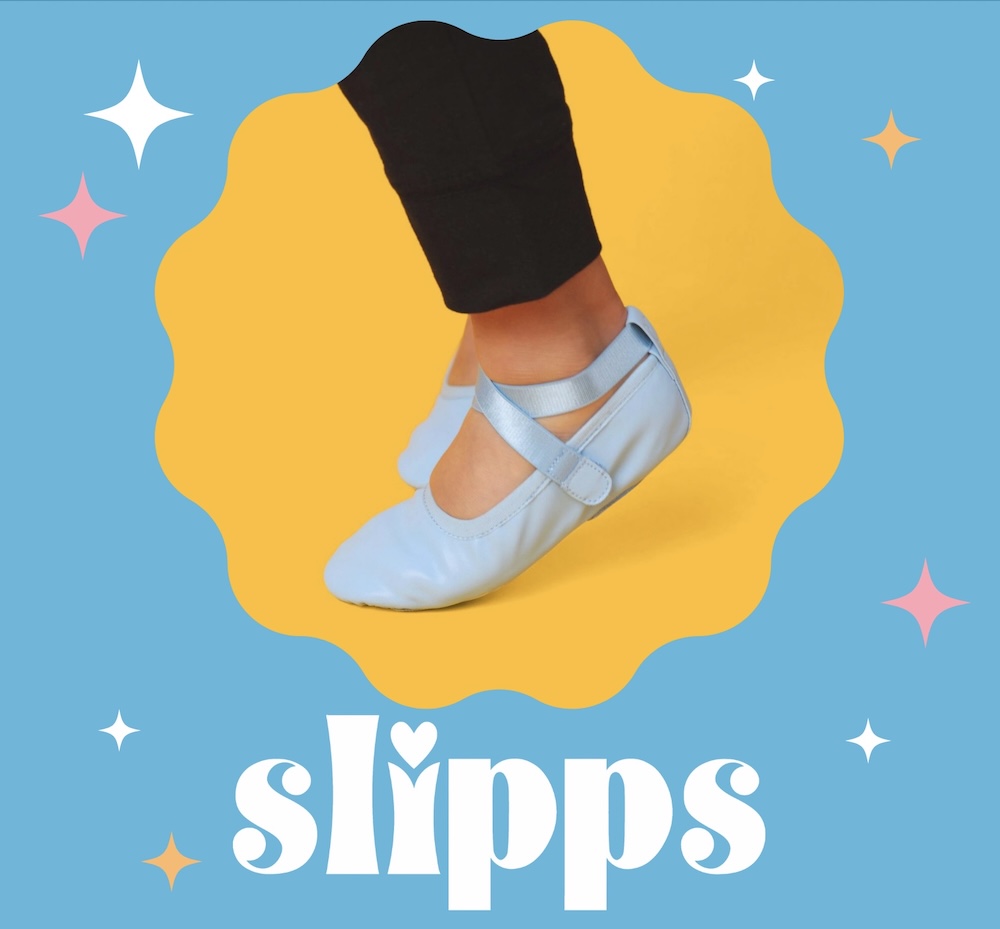
The Prima, Slipps’ flagship shoe, came to life as an answer to all those needs. Leroux added a Velcro cross-strap that looks elegant yet functions easily. She built in a supportive foam arch insert to cushion young feet and reduce sensitivities. She replaced traditional elastic with a softer, stretchier version that feels good even without tights. She removed seams and tags where she could, prioritizing comfort. She designed the sole with a series of tiny hearts, both as a branding element and a playful detail that children would see when their feet pointed or lifted in the air. The Prima, she explains, was meant to mimic the sophistication of a pointe shoe while translating it through childlike imagination.
Finding a manufacturer proved far more difficult than designing the shoe. For nearly two years, she hit wall after wall. American factories didn’t want to make children’s ballet shoes, especially not in leather or vegan leather. Many overseas companies required 10,000-unit minimums – impossible for a small start-up. Some simply turned her down because she wasn’t a major brand. She kept pushing. She wrote persuasive proposals, asked for exceptions and urged companies to take a chance. “Trust me,” she would tell them. “If you can lower the minimums and believe in me, I promise it will be worth your time.” Finally, one manufacturer said yes. It was a breakthrough moment. The collaboration that followed allowed her to fine-tune every material and component. Colors were dyed to Pantone specifications. Prototypes were built and revised repeatedly. She invested in higher-quality materials because she knew the difference would show. When she finally received the shipment of components and signed the contract, it felt like she had “won the lottery.”
She didn’t stop there. She learned about manufacturing, importing, e-commerce, distribution, customer service and the entire complex ecosystem of product-based entrepreneurship by doing it herself. She moved slowly and intentionally, refusing to sacrifice quality for speed. Each piece of packaging, each detail of branding, each component went through her hands.
The true test came when she brought early prototypes into a Santa Monica studio and let children run wild in them. They jumped, they spun, they sprinted across the floor. Parents marveled. Kids grabbed colors they loved, especially purple, and didn’t want to take the shoes off. In one unforgettable moment, a child put on a pair, gasped with excitement, and Leroux knew immediately that she had created something meaningful. For her, it was magic: the fusion of inspiration, creativity and persistence finally coming to life in a child’s joy.
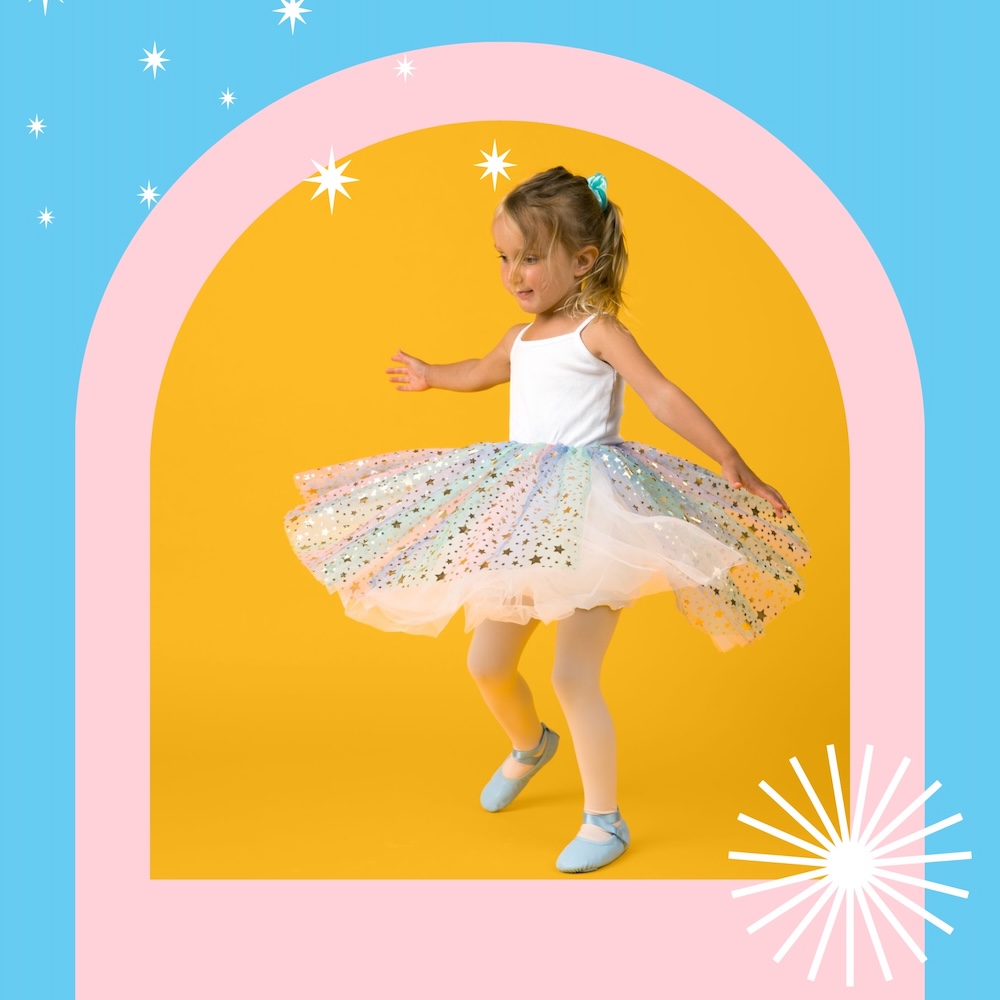
Slipps officially launched in 2022, with sizes 6-12 in the Prima. Studio owners and parents quickly started asking for bigger sizes, and Leroux listened. The next production run expands to youth size 4, with Velcro versions for the younger sizes and traditional elastic for older dancers who no longer need fastening assistance. Beyond the classroom, she has discovered that customers use Slipps for everything from weddings to Easter outfits to dress-up play. The shoes are soft, durable and pretty enough to cross over into everyday life.
Looking ahead, she is already deep into designing the Spotlight Collection – a glitter-inspired line using iridescent foil that doesn’t shed, available in four colors and paired with sparkly studio bags. The new style, called the Essential, will come in sizes 6-12 with Velcro and 13-4 without, staying true to the developmental needs of each age group. Launch is planned for spring 2026.
Slipps continues to grow. It reframes what dancewear for children can look like: more colorful, more expressive, more fun and kid-centric. Leroux’s vision reminds the dance world that the earliest years of movement should be filled with imagination and joy. As she puts it, children will have the rest of their careers to be perfect. Slipps footwear doesn’t just fit kids’ feet; it fits who they really are.
For more information and to shop Slipps, visit www.slipps.com.
By Mary Carpenter of Dance Informa.
Share this: