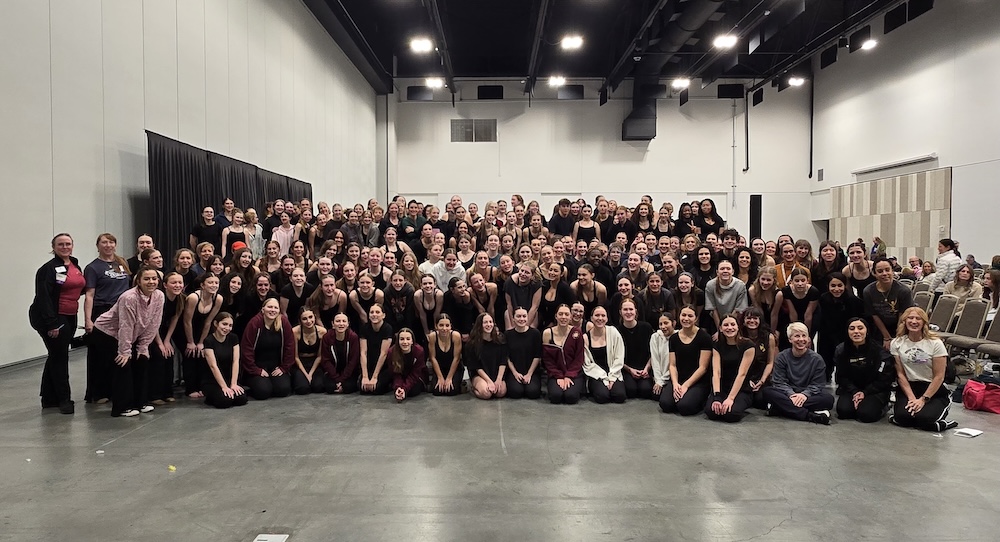
The Colorado Dance Education Organization (CoDEO) conference recently celebrated its 12th year. It has grown into an essential gathering for dance educators, students and enthusiasts from all corners of the state. The 2026 conference, held this past January, reflected the organization’s steady growth and its important role in Colorado’s dance education landscape.
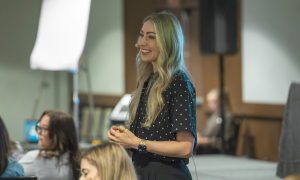
Ann Hunt, currently in her second year as president, helms the organization. Hunt, along with an all-volunteer board, focuses on the organization’s goals. CoDEO’s mission centers on education, advocacy and communication. Hunt is clear about what sets the organization apart. “Many conferences are competition-based,” she says. “What makes CoDEO special is our emphasis on educators.”

Unlike performance-only events, the CoDEO conference prioritizes professional development for teachers in tandem with student programming. Educators can earn professional development credits toward licensure, particularly at the collegiate level, while students benefit from a non-competitive environment focused on growth and collaboration.
CoDEO welcomes both school-based programs and private studios. The conference attracts a large number of studios seeking an alternative experience for their dancers. “It’s fun, supportive and non-competitive,” Hunt says. “Students meet new people, mix it up and feel encouraged.”
Advocacy efforts align with those of the National Dance Education Organization (NDEO), CoDEO’s national affiliate. Hunt describes the relationship as both practical and philosophical: membership is combined, financial support flows back to the state organization, and national advocacy resources are shared and amplified locally.
Equity and access are addressed through inclusive policies aligned with NDEO standards and partnerships with organizations such as Feel the Beat, which specializes in adaptive dance and working with differently abled dancers. These collaborations provide educators with tools and training to serve a wider range of students.
In addition to adaptive dance, Hunt sees the organization as responding to the continually changing realities of the dance world. This includes the growth of dance and digital media. With Hunt’s guidance, CoDEO has encouraged student submissions of dance films. She feels it is an important part of contemporary performance and education.
“Digitally, there is so much happening in dance right now,” Hunt says. “Dance film is a legitimate and exciting art form, and we want students to engage with that.” While student participation in dance on film has been slower to catch on, Hunt believes its inclusion is essential – not only for artistic relevance, but for preparing students for a multifaceted professional future.
One of CoDEO’s most significant contributions is the Colorado All-State Dance Ensemble. Originally envisioned by past president Leslie Williams (now CoDEO’s vice-president), the program was created to recognize dancers in the same way athletes and theater students are honored statewide. “You have All-State sports and All-State theater,” Hunt notes. “Why not All-State dance?”
Now in its sixth year, the ensemble provides serious high school dancers with a credential that carries weight. Students selected for All-State can list the honor on college applications and résumés, signaling both artistry and commitment. Each year, CoDEO selects an All-State choreographer who creates a solo phrase on video. Interested students learn and film the choreography, then submit their work for adjudication by the board. For the 2026 conference, 35 dancers submitted, with 15 selected for the All-State ensemble.
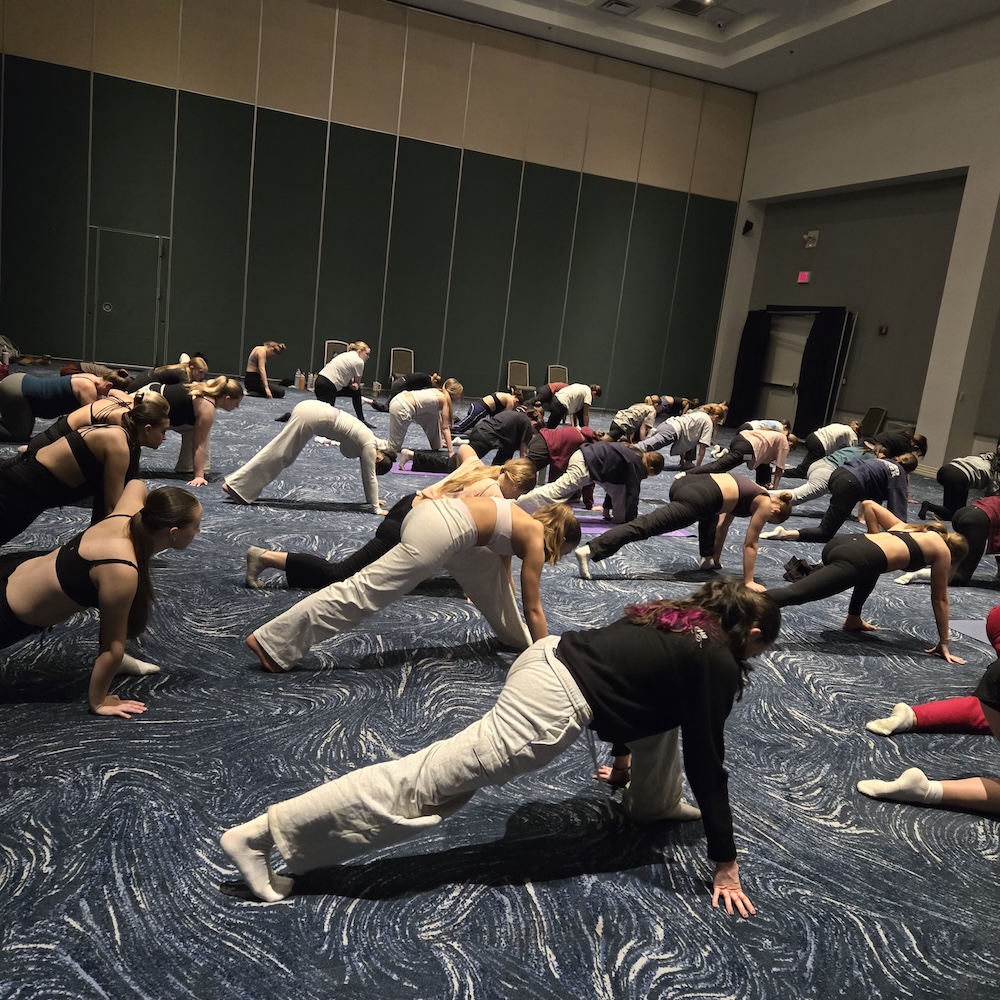
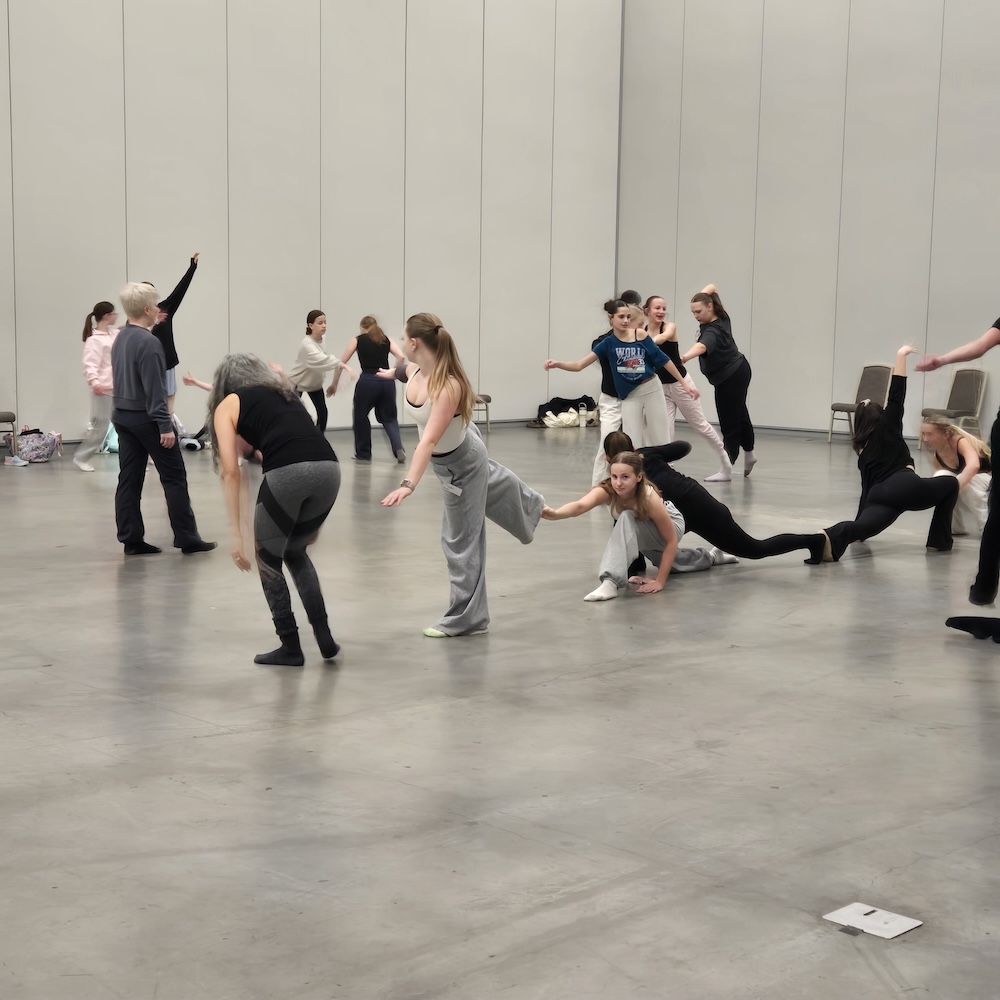
In addition to the All-State choreographer, the conference features other guest choreographers and educators representing a wide range of genres. This past conference included contemporary, musical theater, jazz, tap, Persian dance, Danza Azteca Mexica and more. Students take morning classes, then learn repertory in the afternoons, culminating in a performance on Sunday night. All-State dancers receive additional rehearsal time, closer access to the choreographer, and the distinction of performing in an intimate, professional setting.
“Our goal is professionalism,” Hunt explains. “Following direction, demonstrating a strong work ethic, and holding yourself to a higher standard.” With just 15 dancers, students receive individualized attention and have the opportunity to ask questions, engage deeply with the creative process, and understand what it means to work professionally. “This isn’t about rushing to get choreography done,” Hunt says. “It’s about the experience.” That environment, she believes, leaves a lasting impression — whether students go on to college programs, teaching or continued artistic engagement.
Hunt shares a personal connection to the program: her own daughter was a four-time All-State dancer, participating from the program’s inception. Now in her second year at Point Park University, she is returning to CoDEO as an alum teaching artist – a full-circle example of the program’s impact. “She did it. She made it,” Hunt says. “That’s exactly what CoDEO can do for young dancers.”
Today, CoDEO serves approximately 200 dancers and educators annually, representing around 15 studios and schools. Universities regularly attend the conference to recruit and audition juniors and seniors, offering scholarships and exposure to higher education pathways. Participating institutions include the University of Wyoming, Metropolitan State University of Denver, Casper College, Pikes Peak State College, Colorado Mesa University and the University of Colorado Colorado Springs.
Stephanie Kobes-Newcomb, chair of the dance department at Pikes Peak State College, is a regular conference teacher. “The CoDEO conference is an exceptional opportunity for dancers and educators across Colorado to connect, train and grow within a supportive, accessible and highly affordable professional environment.” Kobes-Newcomb mentions that the All-State Ensemble offers high school dancers the invaluable experience of collaborating with a professional choreographer while performing high-quality work. “I often say that I wish an opportunity like CoDEO had existed when I was a young dancer trying to make some of those big, pivotal decisions about my training, education and future in the field. I’m incredibly proud to be a part of this conference that is shaping such meaningful pathways for the next generation of dancers.”
Hunt is candid about the challenges facing dance education, particularly funding. “Schools need funding to hire dance teachers,” she says. “We advocate for that.” For Hunt, sustainability ultimately comes down to education. “We need educated dance teachers who understand the full scope of what dance education is. We have to invest in the people who make conferences meaningful.”
One of her first major initiatives as president was the creation of a formal sponsorship program. She developed the structure necessary to attract sponsors who could help support CoDEO’s expanding vision. “Our goal is to raise enough money to pay the teachers and dance artists more fairly, rent larger venues, and bring in a wider range of choreographers and presenters,” Hunt explains.
Hunt remains motivated by the impact she sees firsthand. “You spend the whole year working toward this,” she says. “CoDEO is making a difference in these dancers’ lives. All the work is absolutely worth it. We raise the dancer’s spirits. That’s what keeps me going. It keeps everyone going.”
To find out more about CoDEO, visit www.co-deo.org.
By Mary Carpenter of Dance Informa.
Share this: